What Makes the Best Ointment for Bed Sores Effective? Expert Insights
Bed sores can be one of the most challenging conditions for patients, caregivers, and healthcare professionals alike. They often begin as a small patch of redness but can gradually progress into painful wounds that affect comfort, mobility, and overall quality of life.
For bedridden patients, elderly individuals, and people with limited mobility, bed sores are more than just skin problems. They are a sign that the skin and underlying tissues are under continuous stress from pressure, friction, moisture, or poor circulation.
As awareness around wound care continues to grow, many patients and caregivers search for the best ointment for bed sores. However, finding the right product is not simply about choosing a popular brand or purchasing the first ointment available online.
The effectiveness of a bedsore ointment depends on several factors, including its formulation, protective properties, ability to support skin recovery, and suitability for the patient’s condition.
In this guide, we explore what actually makes a bedsore ointment effective and what caregivers should look for when choosing a product for pressure ulcer care.
Understanding Bed Sores and Why They Need Specialized Care
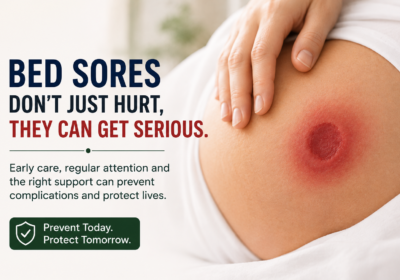
Bed sores, also known as pressure ulcers or pressure sores, occur when prolonged pressure restricts blood flow to certain areas of the body.
Without adequate blood circulation, tissues receive less oxygen and fewer nutrients. Over time, this can lead to skin damage and wound formation.
Common locations include:
- Lower back
- Hips
- Heels
- Elbows
- Shoulders
- Ankles
Patients who remain in the same position for extended periods are particularly vulnerable because continuous pressure prevents healthy tissue recovery.
Once skin damage begins, the affected area becomes increasingly susceptible to moisture, friction, irritation, and infection.
This is where appropriate wound care products become important.
Why Caregivers Search for the Best Ointment for Bed Sores
When a bedsore develops, caregivers naturally want a solution that promotes healing quickly and safely.
However, the best ointment is not necessarily the one making the biggest claims.
Instead, an effective bedsore ointment should support the overall wound care process by helping protect vulnerable skin and creating conditions that support natural recovery.
The right ointment becomes part of a broader care strategy that includes:
- Pressure relief
- Repositioning
- Hygiene
- Moisture management
- Nutrition
- Wound protection
No ointment can compensate for poor caregiving practices, but a well-formulated product can significantly improve skin protection and comfort.
Key Qualities of an Effective Bedsore Ointment
Strong Protective Barrier
One of the most important characteristics of a quality bedsore ointment is its ability to form a protective barrier over vulnerable skin.
Patients with pressure ulcers often experience repeated exposure to:
- Friction
- Moisture
- Sweat
- Urine
- Bedding materials
These factors can worsen skin damage and delay healing.
An ointment that creates a protective layer helps reduce direct exposure to these stressors and supports healthier skin conditions.
Moisture Balance Support
There is a common misconception that wounds should either remain completely dry or excessively moist.
In reality, maintaining balanced moisture levels is important.
An effective bedsore ointment helps support a healthy wound environment while preventing excessive dryness or moisture-related irritation.
This balance contributes to improved comfort and better skin integrity.
Skin-Friendly Formulation
Patients dealing with pressure ulcers often have sensitive and fragile skin.
Harsh ingredients can increase irritation and discomfort.
The best bedsore ointments are generally formulated to support skin protection without causing unnecessary stress to already compromised tissue.
Gentle formulations are particularly important for:
- Elderly patients
- Long-term care patients
- Individuals with fragile skin conditions
Support for Skin Recovery
Although no topical product can heal a bedsore on its own, an effective ointment should help support the skin’s natural recovery process.
By protecting damaged areas and reducing external irritation, the skin is given a better opportunity to repair itself.
This supportive role becomes especially important in patients who require ongoing wound care.
Ingredients That Often Matter in Bedsore Ointments
When evaluating a bedsore ointment, caregivers should pay attention to the formulation rather than marketing claims.
Several types of ingredients are commonly associated with skin protection and wound care support.
Barrier-Forming Ingredients
These ingredients help create a physical layer that protects skin from moisture and friction.
Barrier protection is particularly valuable for patients using diapers or experiencing prolonged bed rest.
Skin Conditioning Components
Healthy skin is more resilient than dry, damaged skin.
Ingredients that help maintain skin condition can contribute to improved comfort and reduced irritation.
Moisture Management Ingredients
Maintaining appropriate moisture levels helps support healthier skin conditions during recovery.
Protective Oils and Emollients
Oil-based formulations are often used to reduce friction and create a protective environment for vulnerable skin.
This can be especially helpful in areas exposed to repeated pressure and rubbing.
Common Mistakes When Choosing a Bedsore Ointment
Many caregivers unknowingly make decisions based on assumptions rather than understanding what the skin actually needs.
Choosing Based Only on Popularity
A product’s popularity does not automatically mean it is the best option for pressure ulcer care.
The product should be evaluated based on its suitability for the patient’s condition.
Expecting Instant Results
Bedsore recovery takes time.
Even the most effective ointment cannot overcome continuous pressure, poor circulation, or inadequate wound care practices.
Ignoring Preventive Care
Many people start searching for bedsore ointments only after visible skin damage appears.
However, preventive skin protection is often just as important as treatment.
Overlooking Skin Protection
Supporting vulnerable skin before a wound develops can help reduce the risk of more serious complications later.
Why Prevention Should Always Come First
At Dr. JV Healing, one of the key principles of wound care is prevention.
Many pressure ulcers develop gradually due to repeated exposure to:
- Pressure
- Friction
- Moisture
- Reduced circulation
Addressing these factors early can significantly reduce the likelihood of severe skin breakdown.
This is why caregivers should focus not only on treating existing wounds but also on protecting high-risk areas before complications occur.
The Role of Ointments in a Complete Bedsore Care Plan
A bedsore ointment should never be viewed as a standalone solution.
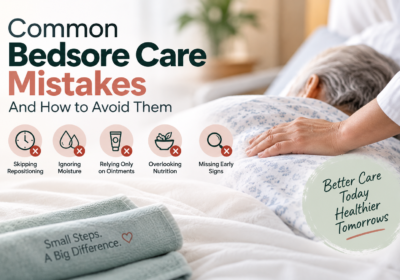
Instead, it works best as part of a comprehensive care routine that includes:
- Regular repositioning
- Pressure relief
- Skin hygiene
- Moisture management
- Nutritional support
- Daily skin assessment
When combined with these practices, a well-formulated ointment can contribute to healthier skin conditions and improved patient comfort.
Conclusion
The best ointment for bed sores is not simply the one with the strongest marketing claims. An effective product should help protect vulnerable skin, support moisture balance, reduce friction-related irritation, and contribute to a healthier environment for skin recovery.
Caregivers should focus on products that complement a complete pressure ulcer management strategy rather than relying on ointments alone.
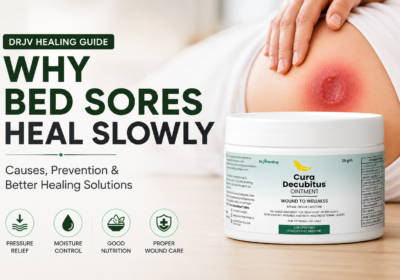
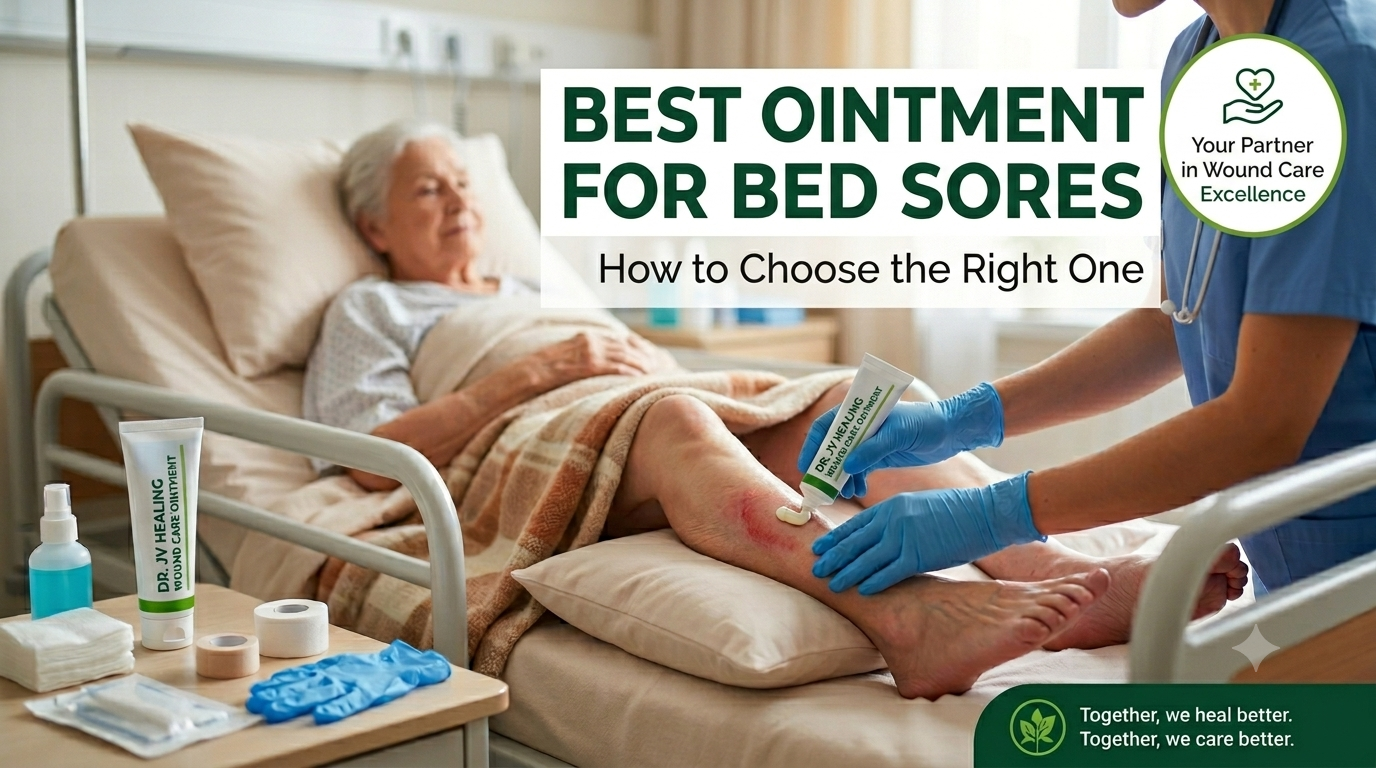
At Dr. JV Healing, wound care is approached with a strong emphasis on prevention, skin protection, and long-term patient comfort. Products such as Cura Decubitus™ Ointment are developed to support these goals by helping protect skin from moisture-related irritation, friction, and repeated stress commonly associated with bed sores and pressure ulcers.
When combined with proper caregiving practices, pressure management, hygiene, and regular monitoring, supportive skin protection solutions can play an important role in maintaining healthier skin and improving quality of life for patients at risk of pressure ulcers.
Related Articles