A Complete Guide to Medicines and Treatment for Bedsores – Dr. JV Healing
Bedsores are often misunderstood as “just skin wounds.”
But anyone who has cared for a bedridden patient, elderly parent, post-surgery patient, or someone with limited mobility knows the reality is far more difficult.
What starts as slight redness on the skin can slowly turn into:
- painful wounds,
- skin breakdown,
- infection risk,
- discomfort,
- and long-term healing challenges.
For caregivers, bedsores are emotionally exhausting because they require constant attention. For patients, they affect comfort, sleep, mobility, and overall quality of life.
The good news is that bedsores can often be prevented, managed, and treated effectively with the right combination of:
- early attention,
- proper wound care,
- pressure management,
- hygiene,
- medicines,
- and supportive healing practices.
In this guide, we’ll understand:
- what bedsores really are,
- why they happen,
- medicines commonly used in bedsore treatment,
- how wound care works,
- and the best treatment practices that support healing at home.
What Are Bedsores?
Bedsores, also called pressure ulcers or pressure sores, are injuries to the skin and underlying tissues caused by prolonged pressure.
They commonly occur in patients who:
- remain in bed for long periods,
- use wheelchairs,
- have limited movement,
- or depend on caregivers for repositioning.
Bedsores usually develop around areas where bones press against the skin, such as:
- lower back,
- hips,
- heels,
- elbows,
- shoulders,
- and ankles.
When pressure continues for too long:
- blood circulation decreases,
- oxygen supply becomes limited,
- tissues weaken,
- and the skin slowly starts breaking down.
In the beginning, it may appear as redness or irritation. But if ignored, it can develop into deeper wounds that are difficult to heal.
Why Bedsores Become Difficult to Treat
One of the biggest reasons bedsores become serious is delayed attention.
Many people assume:
“It’s just redness, it will heal on its own.”
But pressure ulcers usually worsen gradually over time because the underlying cause continues.
The skin remains exposed to:
- pressure,
- friction,
- moisture,
- and reduced circulation.
This prevents proper healing.
In elderly or diabetic patients, the healing process becomes even slower because the body’s natural tissue repair system is already weaker.
Common Causes of Bedsores
Understanding the cause is extremely important because proper treatment is not just about applying medicine on the wound.
The root causes also need attention.
Prolonged Pressure
This is the primary reason bedsores develop.
When patients stay in one position for hours:
- blood flow becomes restricted,
- oxygen supply decreases,
- and tissues start weakening.
Without movement, the skin remains under constant stress.
Poor Circulation
Conditions like:
- diabetes,
- aging,
- vascular problems,
- and immobility
reduce blood circulation.
Poor circulation means:
- slower tissue repair,
- delayed healing,
- and higher infection risk.
Moisture Exposure
Moisture from:
- sweat,
- wound discharge,
- urine,
- or diaper use
weakens the skin barrier and increases friction.
Wet skin breaks down much faster.
Friction and Shear
Repeated rubbing against:
- bedsheets,
- wheelchairs,
- support surfaces,
- or clothing
damages fragile skin.
Even small friction can worsen pressure-related wounds over time.
Malnutrition
The body needs:
- protein,
- vitamins,
- hydration,
- and minerals
to repair damaged tissue.
Without proper nutrition, healing slows significantly.
Stages of Bedsores
Bedsores progress gradually through different stages.
Understanding these stages helps caregivers identify how serious the wound is becoming.
Stage 1 – Early Skin Damage
This is the earliest stage.
Signs include:
- redness,
- warmth,
- tenderness,
- or skin discoloration.
At this stage:
- skin is still intact,
- but damage has started underneath.
Early attention here can prevent serious complications.
Stage 2 – Partial Skin Loss
The skin may:
- blister,
- peel,
- or develop a shallow open wound.
Pain and irritation become more noticeable.
Stage 3 – Deep Wound Formation
The wound becomes deeper and may expose fat tissue underneath the skin.
Infection risk increases significantly at this stage.
Stage 4 – Severe Tissue Damage
This is the most serious stage.
The wound may expose:
- muscle,
- tendons,
- or bone.
Professional medical treatment becomes essential.
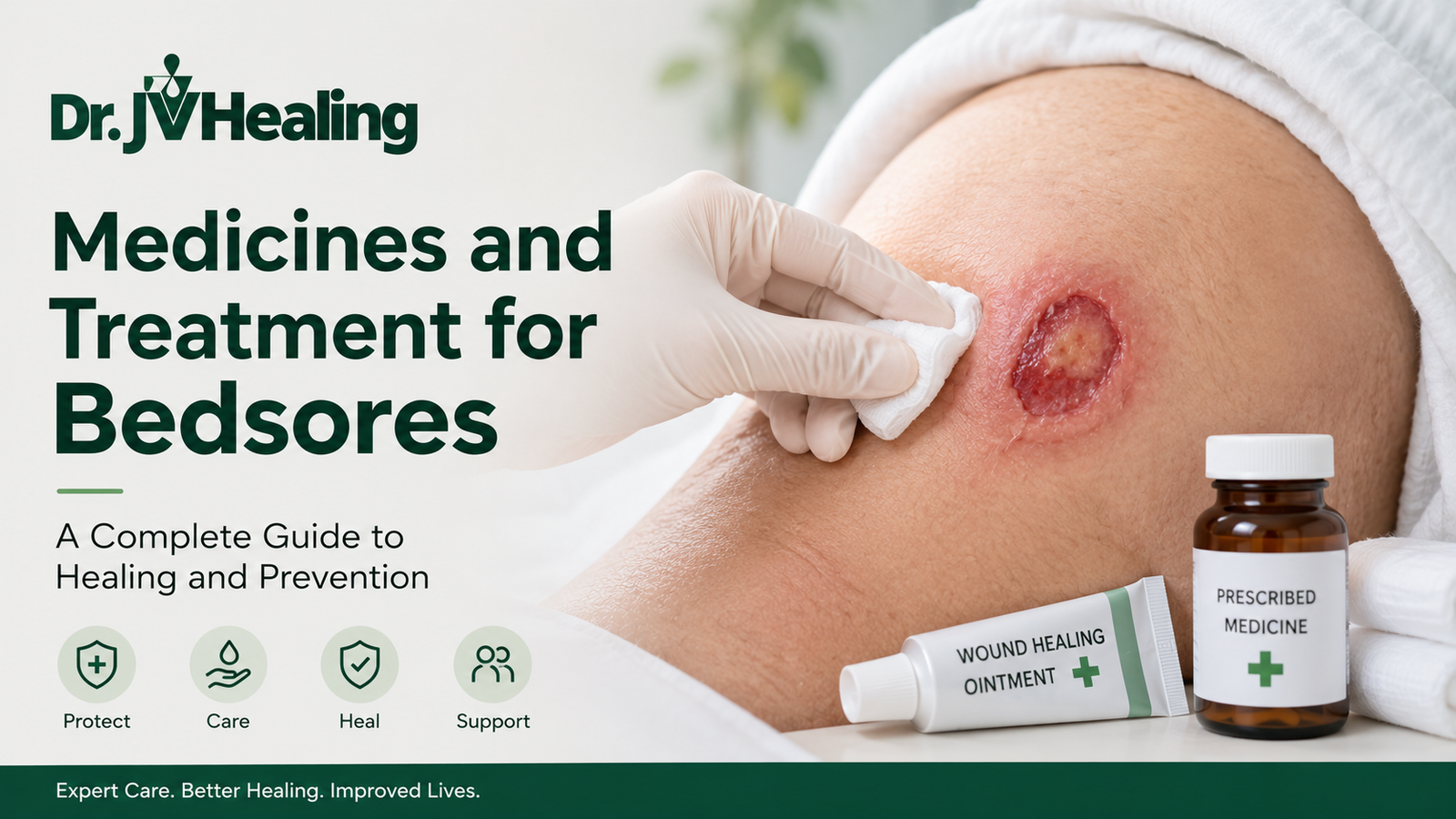
Medicines Commonly Used for Bedsores
Medicines used for bedsores are not only focused on healing the wound itself. Different treatments are used depending on:
- wound condition,
- infection risk,
- moisture level,
- pain,
- and skin damage.
Antiseptic and Cleansing Solutions
Keeping the wound clean is one of the most important parts of treatment.
Doctors often recommend cleansing solutions that help:
- remove debris,
- reduce contamination,
- and prepare the wound for healing.
Harsh chemicals should be avoided because they may damage healthy tissue.
Antibiotics (When Infection Is Present)
If infection develops, doctors may prescribe:
- topical antibiotics,
- oral antibiotics,
- or both.
Infected wounds may show:
- swelling,
- pus,
- foul smell,
- increased redness,
- or fever.
Antibiotics should only be used under medical guidance.
Pain Relief Medicines
Pain management is important because pressure ulcers can become extremely uncomfortable.
Pain medicines may help reduce:
- discomfort,
- inflammation,
- and movement-related pain.
Barrier Creams and Protective Ointments
One of the biggest challenges in bedsore treatment is protecting fragile skin from:
- friction,
- moisture,
- and repeated irritation.
Protective ointments help create a barrier that supports the skin during recovery.
These products are especially useful for:
- bedridden patients,
- elderly individuals,
- diaper users,
- and patients with chronic wound risk.
Wound Healing Ointments
Supportive wound-healing ointments are commonly used to:
- protect damaged skin,
- support tissue repair,
- maintain moisture balance,
- and improve healing conditions.
The goal is not aggressive treatment but creating an environment where the skin can recover naturally and safely.
Best Treatment Practices for Bedsores
Proper treatment is not about using one product or medicine alone.
Healing improves when multiple supportive practices work together consistently.
1. Regular Repositioning
Pressure management remains one of the most important parts of treatment.
Patients should be repositioned every few hours to reduce continuous stress on vulnerable areas.
Helpful support tools include:
- foam cushions,
- pressure-relief mattresses,
- pillows,
- and soft support surfaces.
Even small posture adjustments improve circulation and reduce tissue damage.
2. Maintaining Skin Hygiene
Clean skin supports better healing.
The wound and surrounding area should be:
- cleaned gently,
- dried properly,
- and protected from contamination.
Avoid:
- aggressive scrubbing,
- strong chemicals,
- or harsh products.
Gentle wound care helps preserve delicate tissue.
3. Managing Moisture
Excess moisture is one of the biggest causes of worsening bedsores.
Wet skin becomes weak, fragile, and prone to irritation.
Moisture management includes:
- frequent diaper changes,
- keeping skin dry,
- using absorbent materials,
- and protecting vulnerable areas.
4. Proper Dressing Care
Dressings protect the wound from:
- contamination,
- friction,
- and excessive exposure.
They also help maintain a healthier healing environment.
Dressing changes should always be done using clean materials and proper hygiene.
5. Supporting Nutrition and Hydration
Healing requires internal support too.
Patients recovering from bedsores should consume:
- protein-rich foods,
- fruits,
- vegetables,
- and adequate fluids.
Protein is especially important for tissue repair and skin recovery.
6. Monitoring Infection Signs
Caregivers should regularly watch for:
- increased redness,
- swelling,
- discharge,
- foul smell,
- warmth,
- or worsening pain.
These signs may indicate infection and require medical attention.
Home Treatment Tips for Bedsores
Many early-stage bedsores can be managed effectively at home with proper consistency.
Some practical home care tips include:
- changing positions regularly,
- using soft bedding,
- maintaining hygiene,
- keeping the skin dry,
- reducing friction,
- and supporting skin protection.
Caregivers should remember that small daily habits often make the biggest difference in recovery.
Mistakes That Delay Bedsore Healing
Many wounds worsen because of avoidable mistakes.
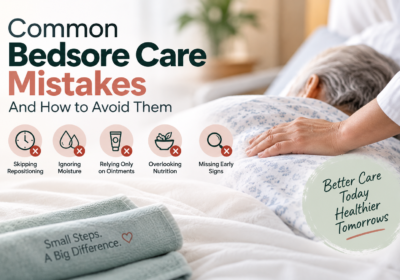
Ignoring Early Signs
Redness and irritation should never be ignored.
Early-stage pressure damage can progress rapidly if pressure continues.
Using Random Products
Applying random creams without understanding the wound condition may increase irritation.
Poor Moisture Management
Wet skin becomes more vulnerable to breakdown and infection.
Inconsistent Care
Healing improves with consistency.
Skipping dressing care or repositioning delays recovery significantly.
Why Long-Term Skin Protection Matters
For bedridden patients and elderly individuals, preventing repeated skin damage is just as important as treating existing wounds.
Skin exposed repeatedly to:
- pressure,
- friction,
- moisture,
- and reduced circulation
becomes increasingly fragile over time.
This is why supportive wound care products that help protect the skin barrier are often recommended as part of long-term care routines.
The Role of Supportive Wound Care in Recovery
Modern wound care focuses not only on treating wounds but also on:
- protecting surrounding skin,
- supporting moisture balance,
- reducing irritation,
- and improving patient comfort.
This is where supportive wound-healing products can become useful as part of an overall care routine.
According to information shared by Dr. JV Healing, products like Cura Decubitus™ Ointment are developed to help support pressure-prone and damaged skin by reducing friction, moisture exposure, irritation, and skin breakdown associated with bedsores and slow healing wounds.
For caregivers managing long-term wound care, supportive protection often becomes an important part of maintaining healthier skin conditions over time.
When Medical Attention Becomes Necessary
Home care is useful for early-stage management, but professional medical care becomes important if:
- wounds deepen,
- infection signs increase,
- fever develops,
- tissue darkens,
- or healing stops completely.
Patients with diabetes or severe circulation problems should avoid delaying medical consultation.
Conclusion
Bedsores are more than surface-level wounds. They are often the result of prolonged pressure, reduced circulation, friction, moisture exposure, and delayed attention.
But with proper care, many pressure ulcers can be managed effectively and prevented from worsening.
Successful bedsore treatment usually involves a combination of:
- pressure relief,
- hygiene,
- wound care,
- nutrition,
- medicines,
- and long-term skin protection.
For caregivers, the journey can sometimes feel physically tiring and emotionally stressful. Yet consistent care, early attention, and proper wound management practices often make a major difference in patient comfort and recovery.
At Dr. JVHealing, the focus is on supporting patients and caregivers through thoughtful wound care solutions designed for pressure-prone skin, bedsores, and slow healing wounds.
Products like Cura Decubitus™ Ointment are developed to support protective wound care by helping reduce moisture-related irritation, friction damage, and skin stress while supporting a healthier healing environment for vulnerable skin.
Because healing rarely happens through one single step.
It happens through consistent care, protection, attention, and daily efforts that support the body’s natural recovery process over time.
Related Articles