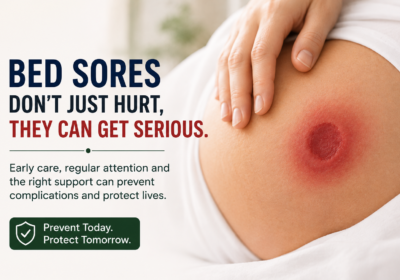

How to Prevent Bedsores and Pressure Ulcers in Bedridden Patients: A Complete Care Guide
When a family member becomes bedridden due to age, illness, surgery, injury, or a long-term medical condition, daily care suddenly becomes much more important than most people realize. Caregivers focus on medications, meals, doctor visits, and comfort, but there is one complication that often develops quietly in the background and can significantly affect a patient’s quality of life—bedsores and pressure ulcers.
A small patch of redness may seem harmless at first. However, when left unnoticed or untreated, it can gradually develop into a painful wound that takes weeks or even months to heal. In severe cases, pressure ulcers can lead to infections, prolonged hospitalization, and additional stress for both patients and caregivers.
At Dr. JV Healing, we believe that the best approach to bedsore management begins before a wound ever develops. Prevention, skin protection, and consistent daily care can significantly reduce the risk of pressure ulcers and support healthier skin for individuals with limited mobility.
This guide explains how bedsores develop, why certain patients are more vulnerable, and the most effective ways to prevent pressure ulcers before they become a serious concern.
What Are Bedsores and Pressure Ulcers?
Bedsores, also known as pressure ulcers or pressure sores, are injuries that develop when prolonged pressure reduces blood flow to certain areas of the skin and underlying tissues.
Healthy skin depends on continuous circulation to receive oxygen and nutrients. When pressure is applied to the same area for extended periods, blood vessels become compressed. As circulation decreases, tissues begin to weaken and eventually break down.
Bedsores commonly appear on areas where bones are close to the skin, including:
- Lower back and tailbone
- Hips
- Heels
- Ankles
- Elbows
- Shoulders
- Back of the head
Patients who spend long periods in bed or wheelchairs face the highest risk because these pressure points remain in constant contact with support surfaces.
Why Prevention Is More Important Than Treatment
Many caregivers first notice a bedsore after visible skin damage appears. By this stage, healing may already require weeks of care.
Pressure ulcers often involve:
- Continuous wound management
- Dressing changes
- Infection monitoring
- Pain management
- Reduced mobility
- Increased medical expenses
This is why healthcare professionals place such a strong emphasis on prevention.
At Dr. JV Healing, prevention is viewed as the first and most important stage of wound care. Protecting vulnerable skin before breakdown occurs is often easier, safer, and more comfortable for patients than treating an established pressure ulcer.
Who Is Most at Risk?
Not every patient develops bedsores, but certain conditions significantly increase risk.
Elderly Patients
As we age, skin naturally becomes thinner and less elastic. Fragile skin is more susceptible to pressure-related damage and slower healing.
Bedridden Individuals
Patients recovering from surgery, stroke, injury, or chronic illness often spend extended periods in bed, increasing pressure on specific body areas.
Wheelchair Users
Sitting in the same position for prolonged periods can create pressure on the hips, buttocks, and lower back.
Diabetic Patients
Diabetes often affects circulation and nerve function, making wound prevention and healing more challenging.
Individuals with Poor Nutrition
Skin repair depends heavily on proper nutrition. Deficiencies in protein, vitamins, and hydration can weaken the body’s ability to maintain healthy skin.
What Causes Bedsores?
Pressure ulcers rarely develop because of a single factor. Most cases involve a combination of issues working together over time.
Prolonged Pressure
This remains the primary cause of bedsores.
When pressure is applied continuously to one area:
- Blood circulation decreases
- Oxygen supply becomes limited
- Tissues weaken
- Skin begins breaking down
According to the preventive care principles promoted by Dr. JV Healing, relieving pressure regularly is one of the most effective ways to protect vulnerable skin.
Friction
Friction occurs when skin rubs repeatedly against clothing, bedsheets, or support surfaces.
Over time, this rubbing weakens the skin and increases susceptibility to injury.
Shear
Shear damage happens when the skin remains in place while deeper tissues move.
For example, when a patient slides down slightly in bed, tissues underneath the skin may stretch and tear.
This type of injury often develops before visible damage appears.
Excess Moisture
Moisture is one of the most overlooked causes of skin breakdown.
Sources include:
- Sweat
- Urine
- Wound drainage
- Prolonged diaper use
At Dr. JV Healing, moisture management is considered a critical part of pressure ulcer prevention because excessive moisture weakens the skin barrier and increases friction damage.
Poor Circulation
Reduced circulation limits the body’s ability to deliver nutrients and oxygen to tissues, slowing both prevention and healing processes.
Early Warning Signs You Should Never Ignore
Pressure ulcers rarely appear overnight.
Before a wound develops, the skin usually shows warning signs such as:
- Persistent redness
- Darkened skin patches
- Swelling
- Warm or cool areas
- Tenderness
- Burning sensation
- Shiny or fragile-looking skin
These early signs provide an opportunity to intervene before serious damage occurs.
Many severe pressure ulcers could potentially be avoided if attention is given during these early stages.
How to Prevent Bedsores and Pressure Ulcers
Reposition Patients Regularly
Frequent repositioning remains one of the most effective prevention methods.
Changing position helps:
- Restore circulation
- Relieve pressure
- Improve comfort
- Reduce tissue stress
Patients should not remain in one position for extended periods whenever movement is possible.
Use Pressure-Relieving Support Surfaces
Specialized support surfaces help distribute body weight more evenly.
Examples include:
- Air mattresses
- Foam cushions
- Pressure-relief mattresses
- Wheelchair support cushions
These tools can reduce concentrated pressure on high-risk areas.
Maintain Proper Skin Hygiene
Clean skin supports healthier skin function.
Caregivers should:
- Clean skin gently
- Dry thoroughly
- Avoid harsh products
- Monitor vulnerable areas regularly
Good hygiene reduces irritation and helps maintain skin integrity.
Manage Moisture Carefully
Skin exposed to moisture for long periods becomes weaker and more prone to injury.
Practical moisture management includes:
- Frequent diaper changes
- Proper drying after cleaning
- Use of absorbent materials
- Protective skin support
This is one reason why preventive skin protection is often recommended for high-risk patients.
Inspect Skin Daily
Daily skin checks help identify early warning signs before pressure ulcers develop.
Pay close attention to:
- Heels
- Hips
- Tailbone
- Elbows
- Shoulders
Consistent observation often prevents small issues from becoming larger complications.
Support Proper Nutrition
Healthy skin starts from within.
Patients should receive adequate:
- Protein
- Vitamins
- Minerals
- Hydration
Protein is particularly important because tissue repair depends heavily on it.
Encourage Safe Movement
Whenever medically appropriate, encourage movement.
Even small movements can:
- Improve circulation
- Reduce pressure
- Support overall recovery
Can Medicines Help Prevent Bedsores?
Many caregivers search for a medicine to prevent bedsores and pressure ulcers.
The reality is that no medicine alone can completely prevent pressure ulcers if pressure, friction, moisture, and circulation issues continue.
However, supportive skin care products can play an important role in prevention strategies.
Protective formulations are often used to:
- Support skin integrity
- Reduce moisture-related irritation
- Create protective barriers
- Minimize friction damage
- Maintain healthier skin conditions
The most effective prevention approach combines these supportive measures with repositioning, hygiene, nutrition, and regular skin monitoring.
Common Prevention Mistakes
Even well-intentioned caregivers sometimes make mistakes that increase bedsore risk.
Ignoring Early Redness
Many people assume redness will disappear on its own. Unfortunately, it may be the first sign of pressure damage.
Inconsistent Repositioning
Missing repositioning schedules allows pressure to build continuously.
Poor Moisture Management
Wet skin breaks down more easily and becomes vulnerable to friction injuries.
Using Rough Bedding
Harsh fabrics and wrinkled bedding increase friction and irritation.
Delaying Skin Assessments
Regular observation helps identify concerns before they become serious.
Why Long-Term Skin Protection Matters
For patients with limited mobility, prevention is not a one-time effort.
Skin remains exposed to daily challenges such as:
- Pressure
- Friction
- Moisture
- Reduced circulation
This is why long-term skin protection becomes an important part of caregiving.
Supportive skin care measures can help reduce repeated stress on vulnerable areas and improve patient comfort over time.
The Dr. JV Healing Approach to Bedsore Prevention
At Dr. JV Healing, wound care begins with prevention.
Rather than focusing only on treating existing wounds, the philosophy centers on helping caregivers protect skin before serious breakdown occurs.
This approach emphasizes:
- Early identification of risk factors
- Pressure management
- Moisture control
- Skin protection
- Caregiver education
- Consistent daily care
The objective is simple: reduce the likelihood of pressure ulcers developing in the first place.
Conclusion
Preventing bedsores and pressure ulcers is not about relying on a single medicine, cream, or treatment. It requires a complete care routine that addresses the factors responsible for skin breakdown.
Regular repositioning, proper hygiene, moisture management, nutrition, pressure relief, and daily skin monitoring all play essential roles in prevention.
For caregivers, these practices may seem small individually, but together they create a powerful foundation for protecting vulnerable skin and improving patient comfort.
At Dr. JV Healing, this preventive approach forms the basis of wound care philosophy. Supporting skin before serious damage occurs can often make the difference between maintaining healthy skin and managing a difficult-to-heal pressure ulcer.
Solutions such as Cura Decubitus™ Ointment have been developed to complement this preventive care approach by helping protect skin from moisture-related irritation, friction, and repeated stress that commonly contribute to bedsore development.
Because when it comes to pressure ulcers, the most effective treatment often begins long before the wound appears.