Root Causes of Bed Sores & How to Treat Them at Home: A Complete Guide for Caregivers and Patients
When care becomes responsibility — and small things start to matter
Taking care of someone who cannot move on their own is not just a responsibility — it’s an emotional commitment.
It could be:
- An elderly parent
- A patient recovering from surgery
- Someone with limited mobility
And somewhere in that journey, you may notice something small:
A red patch. A slight discomfort. A change in skin.
At first, it feels minor.
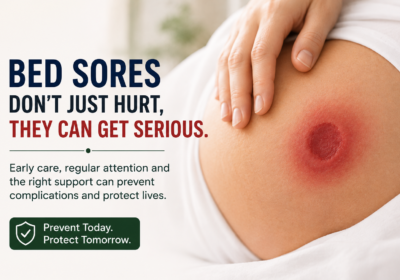
But if ignored — it turns into something painful, slow-healing, and difficult to manage:
Bed sores.
The reality is harsh but important:
- Bed sores are not sudden problems.
- They are the result of small, overlooked factors over time.
The good news?
With the right understanding, most bed sores can be prevented or managed effectively at home.
This guide will help you understand not just what to do, but why it happens in the first place — because prevention starts with clarity.
What Are Bed Sores?
Bed sores, also known as pressure ulcers, are injuries to the skin and underlying tissues caused by prolonged pressure.
They typically occur in people who:
- Are bedridden
- Use wheelchairs
- Have limited movement
- Depend on caregivers for repositioning
Common areas where bed sores develop:
- Lower back (sacrum)
- Hips
- Heels
- Elbows
- Shoulders
These areas are more vulnerable because:
- They bear the body’s weight
- Blood flow gets restricted easily
When pressure continues for long:
- Skin cells don’t get oxygen
- Tissues begin to weaken
- Damage starts beneath the surface
By the time it becomes visible, the process has already begun internally.
Understanding the Root Causes (Beyond the Obvious)
Most people assume bed sores happen just because someone lies in one position for too long.
While that is true — it’s only one part of a bigger picture.
Let’s break down the real causes.
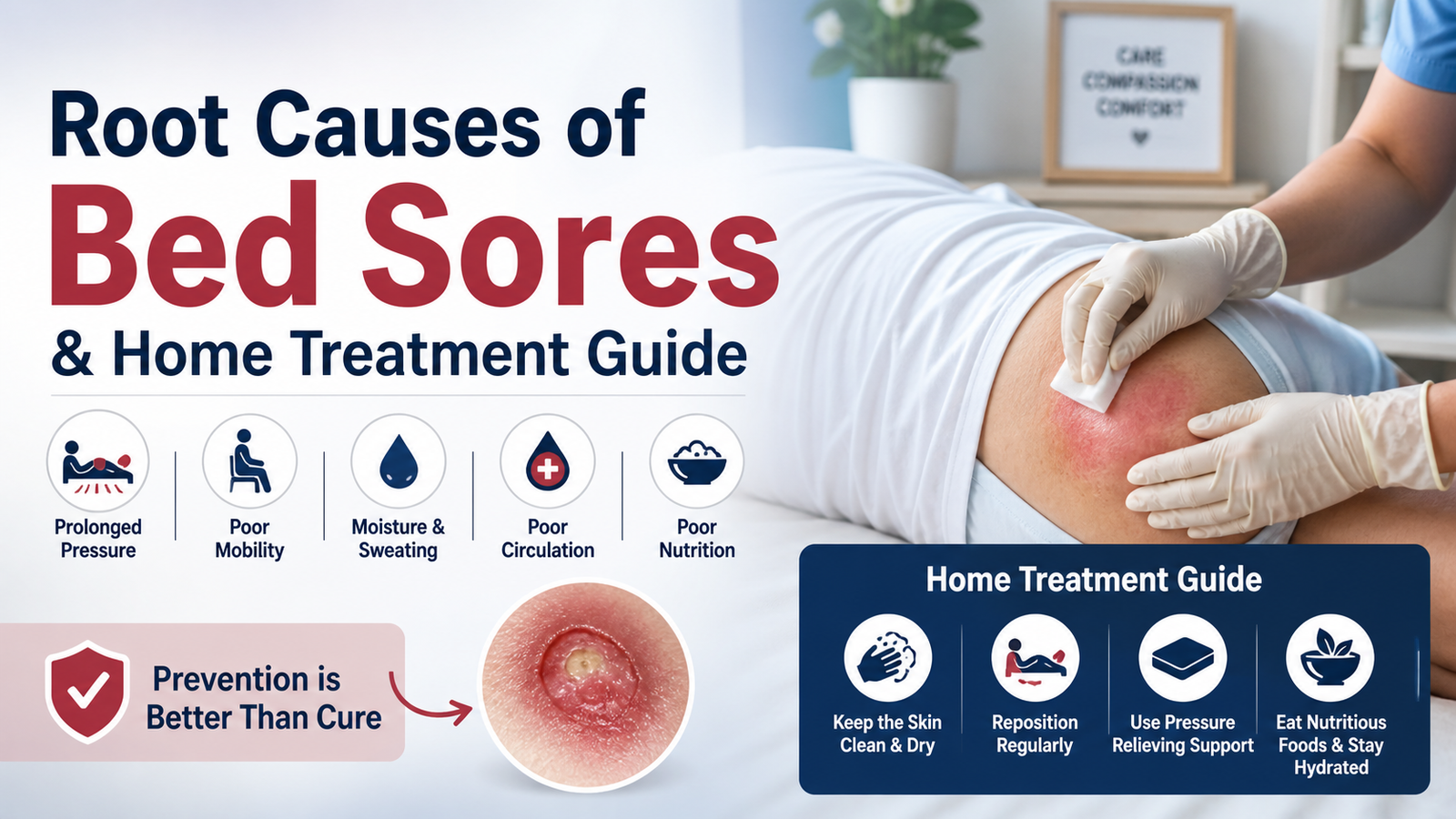
1. Prolonged Pressure – The Primary Trigger
When a part of the body stays pressed against a surface for long durations:
- Blood vessels get compressed
- Oxygen supply reduces
- Nutrients don’t reach tissues
This leads to:
- Tissue damage
- Skin breakdown
- Formation of ulcers
Even 2–3 hours of continuous pressure can start the damage process.
2. Reduced Blood Circulation
In many patients, circulation is already compromised due to:
- Diabetes
- Aging
- Cardiovascular conditions
When circulation is poor:
- Healing becomes slower
- Skin becomes more vulnerable
- Even mild pressure causes damage
This is why elderly patients are at higher risk.
3. Moisture – The Silent Accelerator
Moisture weakens the skin’s natural barrier.
Common sources:
- Sweat
- Urine (especially with diaper use)
- Wound discharge
When skin stays moist:
- It becomes soft and fragile
- Friction increases
- Skin tears easily
This is one of the most overlooked yet critical causes.
4. Friction and Shear
Friction occurs when skin rubs against surfaces like bedsheets.
Shear happens when:
- The body moves, but the skin stays in place
- Internal tissues get stretched or damaged
Example:
When a patient slides slightly down the bed
This creates internal stress, leading to deeper tissue injury — even before visible wounds appear.
5. Poor Nutrition and Hydration
Healthy skin needs:
- Protein for repair
- Vitamins for strength
- Water for elasticity
Without proper nutrition:
- Skin becomes thin
- Healing slows down
- Infection risk increases
This is especially common in long-term patients.
6. Lack of Movement
Movement stimulates:
- Blood circulation
- Oxygen flow
- Tissue recovery
When movement is limited:
- Pressure builds up
- Healing slows
- Risk increases significantly
Even small shifts in position can make a big difference.
Early Signs You Should Never Ignore
Bed sores don’t start as wounds.
They begin quietly — and this is where early action matters most.
Watch for:
- Red or darkened skin
- Warm or tender areas
- Swelling
- Skin becoming thin or shiny
- Mild pain or discomfort
These are warning signs.
Acting at this stage can prevent serious damage.
Ignoring them allows the condition to progress into deeper wounds.
Stages of Bed Sores (Understanding Severity)
Understanding stages helps in identifying how serious the condition is.
Stage 1:
- Redness
- No open wound
- Skin intact
Reversible with proper care
Stage 2:
- Partial skin loss
- Blister or shallow wound
Requires careful treatment
Stage 3:
- Deep wound
- Fat layer visible
Serious condition
Stage 4:
- Severe damage
- Muscle or bone exposure
Requires medical intervention
How to Treat Bed Sores at Home (Practical and Effective Care)
Treating bed sores at home is possible — especially in early stages — but it requires consistency and awareness.
1. Regular Repositioning
This is the most effective prevention and treatment step.
- Change position every 2–3 hours
- Use pillows to support posture
- Avoid direct pressure on affected areas
Even small adjustments reduce damage significantly
2. Maintain Skin Hygiene
- Clean gently with mild solutions
- Avoid harsh scrubbing
- Pat dry instead of rubbing
Clean skin reduces infection risk
3. Keep Skin Dry
Moisture control is critical.
- Change diapers frequently
- Use absorbent materials
- Ensure skin is dry after cleaning
Dry skin = stronger skin barrier
4. Use Pressure-Relieving Surfaces
- Air mattresses
- Foam cushions
- Soft bedding
These distribute body weight evenly
5. Support Nutrition
Include:
- Protein-rich food
- Fruits and vegetables
- Adequate fluids
Healing starts internally
6. Proper Wound Care
This is where many people go wrong.
Using inappropriate products can:
- Irritate skin
- Delay healing
- Increase infection risk
What actually helps:
A well-formulated wound care ointment that:
- Protects damaged skin
- Reduces friction
- Supports natural healing
- Acts as a barrier against moisture and infection
The goal is not aggressive treatment — but supportive healing.
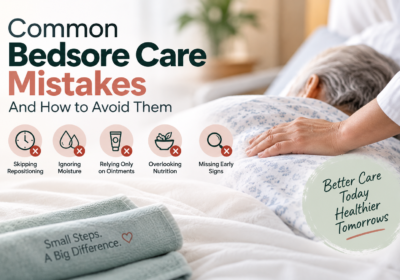
Common Mistakes That Slow Healing
Avoid these:
- Ignoring early signs
- Using random home remedies
- Not cleaning wounds properly
- Leaving skin exposed to moisture
- Irregular repositioning
These mistakes turn small issues into serious problems
When to Seek Medical Help
Home care is effective in early stages.
But consult a doctor if:
- Wound deepens
- Signs of infection appear
- Pain increases
- No improvement over time
Timely medical care prevents complications
Conclusion: Healing Is a Process, Not a Shortcut
Bed sores are not just wounds — they are a reflection of prolonged pressure, reduced care, and missed early signs.
But they are also:
- Preventable
- Manageable
- Treatable — with the right approach
The key lies in:
- Consistency
- Awareness
- Proper support
For caregivers, this journey can feel overwhelming.
You are not just managing a condition — you are protecting someone’s comfort, dignity, and recovery.
And while repositioning, hygiene, and nutrition form the foundation —
supportive wound care plays an equally important role.
This is where thoughtfully developed solutions can make a difference.
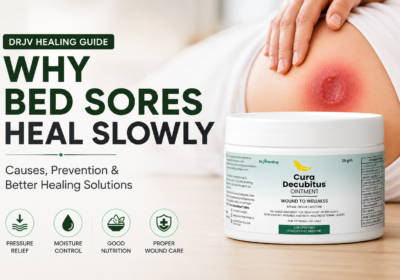
Products like those from Cura Decubitus by Dr. JV Healing are designed with a clear purpose:
- To support skin protection
- To reduce friction and moisture impact
- To assist the natural healing process
- To provide a safer, more reliable approach to wound care
Because in the end, healing is not about one big action —
it’s about doing the right small things, consistently.
And when care meets the right support, recovery becomes not just possible — but smoother.
Related Articles