Nutrition tips for elderly & bedridden patients
Good nutrition is one of the most important yet often overlooked factors in the care of elderly and bedridden patients. Reduced appetite, dehydration, and nutrient deficiencies can slow wound healing, weaken the skin, and increase the risk of bedsores.
With simple dietary adjustments and consistent skin care, caregivers can significantly support healing and overall well-being.
If you are caring for a bedridden patient, start with:
Complete Daily Care Guide for Bedridden Patients
Why Nutrition Is Especially Important for Elderly & Bedridden Patients
- As people age or become less mobile:
- Appetite often reduces
- Thirst sensation decreases
- Digestion may slow down
- Nutrient absorption can be affected
These factors can lead to poor skin strength, delayed wound healing, and increased bedsore risk. Nutrition supports healing from within, while proper skin care protects from the outside; both are essential.
1. Focus on Small, Frequent, Balanced Meals
Why it helps:
Large meals may feel overwhelming. Small, frequent meals are easier to digest and help maintain steady energy and nutrient intake.
Tips:
- Offer 5–6 smaller meals instead of 3 large ones.
- Include a mix of protein, carbohydrates, and healthy fats.
- Choose soft, easy-to-chew foods if needed.
- Balanced meals support tissue repair and skin health.
2. Prioritise Protein for Skin & Tissue Repair
Why protein matters:
Protein is the building block for skin, muscles, and wound healing. Inadequate protein intake is a common reason for slow recovery.
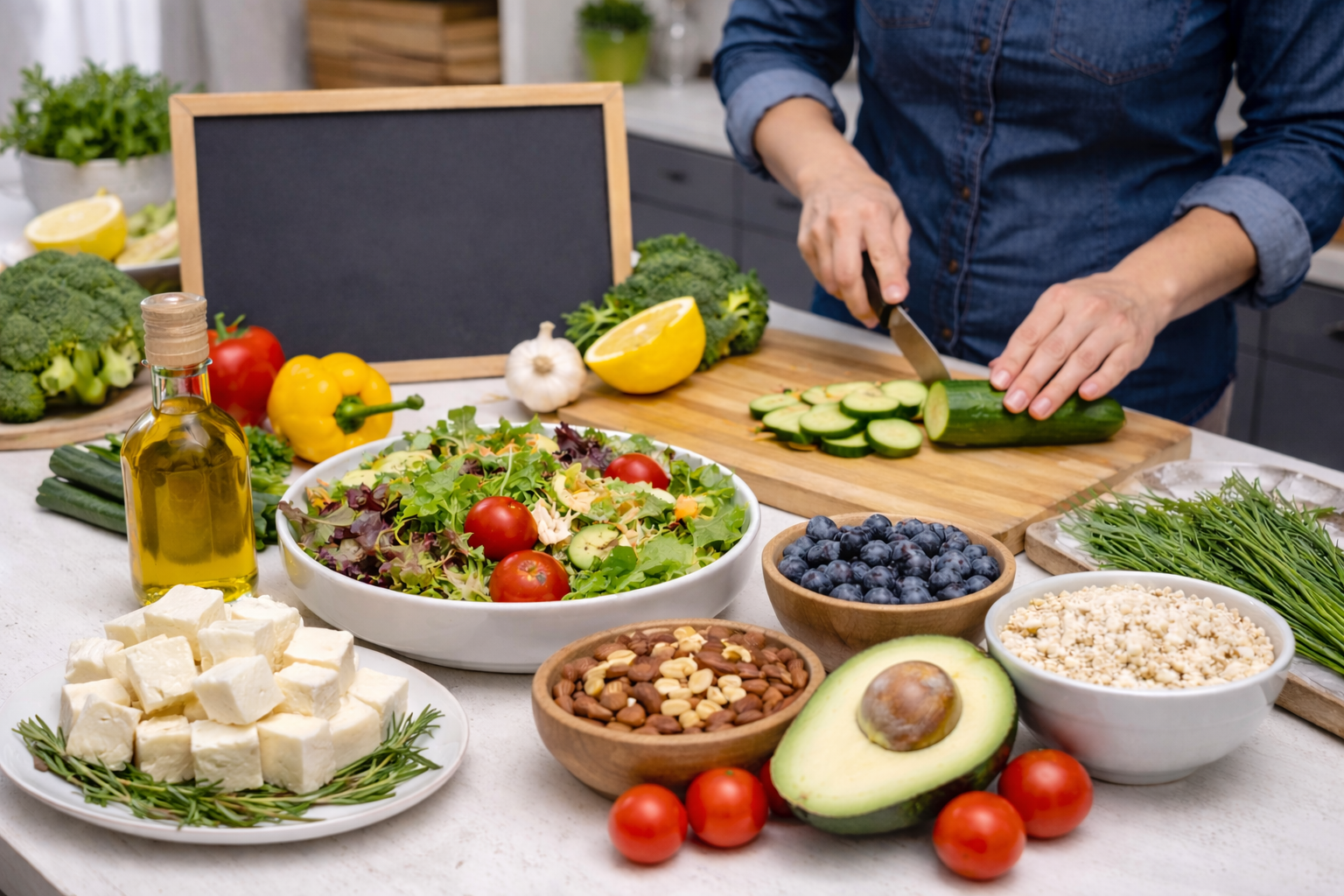
Good protein sources include:
- Eggs
- Lentils and pulses
- Paneer, curd, yoghurt
- Milk
- Nuts and seeds
Adequate protein intake supports recovery from bedsores and prevents further skin breakdown.
Related reading:
Best Diet for Faster Wound Healing and Bedsore Recovery
3. Ensure Adequate Hydration Throughout the Day
Why hydration is critical:
Dehydrated skin becomes dry, fragile, and more prone to breakdown. Fluids also help transport nutrients to healing tissues.
Hydration tips:
- Encourage small sips of water frequently
- Include soups, buttermilk, and coconut water
- Monitor urine colour as a hydration indicator
- Proper hydration helps maintain skin elasticity and circulation.
4. Include Vitamins and Minerals That Support Healing
Certain nutrients play a key role in skin repair:
- Vitamin C: Supports collagen formation (found in oranges, guava, and amla).
- Zinc: Aids wound closure and immunity (found in lentils, dairy, and nuts).
- Iron: Improves oxygen supply to tissues (found in green leafy vegetables and dates).
A varied diet helps prevent deficiencies that delay healing.
5. Watch for Signs of Poor Nutrition
Caregivers should look out for:
- Unintentional weight loss.
- Poor appetite.
- Fatigue or weakness.
- Slow-healing wounds.
If these signs persist, medical or nutritional advice should be sought early.
Nutrition Alone Is Not Enough: Combine with Skin Protection
While nutrition supports healing internally, skin protection is equally important, especially for elderly and bedridden patients who are at higher risk of friction, moisture, and pressure damage.
Regular application of Cura Decubitus™ Ointment on pressure-prone areas helps:
- Protect fragile skin.
- Reduce friction during movement.
- Shield the skin from moisture.
- Soothe irritation and redness.
This combination of good nutrition and barrier skin care helps prevent skin breakdown and bedsores.
Related reading:
Simple prevention tips to reduce bed sore risk
Diaper Rash vs. Bedsores—How to identify the difference
Adjust Nutrition During Illness or Wound Healing
During active wound healing or illness:
- Increase protein intake slightly.
- Ensure adequate fluids.
- Monitor tolerance and appetite.
Supporting nutrition during this phase improves recovery outcomes.
Helpful guide:
How Often Should Bedsores Be Dressed and Treated?
When to Seek Professional Advice
Consult a doctor or nutritionist if:
- Appetite continues to decline.
- Multiple or slow-healing wounds are present.
- The patient shows signs of malnutrition or dehydration.
Early guidance can prevent complications.
Key Takeaway
Good nutrition strengthens the body’s ability to heal, while gentle skin protection prevents breakdown.
For elderly and bedridden patients, balanced meals, adequate hydration, and consistent skin protection using Cura Decubitus Ointment work together to support healing, comfort, and skin integrity.