
How to Prevent Bed Sores on Heels in Bedridden Patients: 8 Practical Tips for Caregivers
Bed sores on the heels are a common concern for bedridden patients, older adults and people who cannot change their position independently. The heels are particularly vulnerable because they have a small area of contact with the bed, while the weight of the legs can place continuous pressure on them.
If a patient spends most of the day lying in bed, this pressure may reduce blood circulation around the heels and damage the skin and underlying tissue. Without timely care, a small area of skin damage can develop into a painful pressure injury.
The good news is that many heel pressure injuries can be prevented with appropriate pressure relief, regular skin checks and a consistent care routine.
In this guide, we explain how to prevent bed sores on heels in bedridden patients, which early signs caregivers should watch for and what steps can help protect vulnerable skin.
Why Do Bed Sores Develop on the Heels?
A bedsore, also known as a pressure ulcer or pressure injury, develops when prolonged pressure damages the skin and underlying tissue.
The heels are among the most vulnerable areas because they often remain in contact with the mattress when a person lies on their back. Unlike other parts of the body, the heel has relatively little soft tissue to cushion the underlying bone.
When pressure continues for long periods, blood flow to the affected area may become restricted. This reduces the oxygen and nutrients reaching the tissue and can eventually cause damage.
Several factors can increase the risk of heel bed sores:
- Limited mobility: Patients who cannot move their legs or change position independently may experience continuous pressure on their heels.
- Older age: Age-related changes can make skin thinner and more fragile.
- Diabetes: Diabetes may affect circulation and sensation, making it harder to notice early skin damage.
- Poor blood circulation: Reduced blood supply can make the skin more vulnerable to injury.
- Reduced sensation: Patients with nerve damage may not feel discomfort when pressure builds up.
- Moisture and sweating: Excess moisture can weaken the surrounding skin.
- Previous pressure injuries: Skin that has already experienced pressure damage may need additional protection.
Understanding these risk factors is the first step towards preventing heel pressure sores.
8 Ways to Prevent Bed Sores on Heels in Bedridden Patients
Preventing heel bed sores requires more than applying a cream or checking the skin occasionally. The main objective is to reduce continuous pressure and protect the skin from further damage.
1. Keep the Heels Completely Free From Bed Pressure
One of the most important steps in preventing heel pressure sores is to keep the heels from resting directly against the mattress.
This is commonly called heel offloading. It involves positioning the legs so that the weight is distributed along the calves while the heels remain suspended above the bed.
Caregivers can discuss suitable positioning methods with a doctor or wound-care nurse. Depending on the patient’s condition, a properly positioned pillow, foam support or specialised heel suspension device may be recommended.
Important: The support should distribute weight along the calf without putting pressure behind the knee, on the Achilles tendon or on other vulnerable areas. Check that the heel is genuinely free from contact with the mattress.
Simply placing a pillow directly underneath the heel may not provide adequate pressure relief.
2. Use a Suitable Heel Protection Pillow or Suspension Device
A heel protection pillow or suspension boot can help reduce direct pressure on the heel.
These devices are designed to support the lower leg while keeping the heel elevated. They may be particularly useful for patients who spend long periods in bed or cannot reposition their legs independently.
Before selecting a device, consider:
- The patient’s mobility and ability to move their legs
- The condition of the skin around the heels
- Any swelling in the feet or lower legs
- The patient’s comfort and tolerance
- The risk of the device slipping or creating pressure elsewhere
A specialised heel suspension device may be more suitable for some patients, while others may be able to use appropriately positioned pillows.
Caregivers should check the positioning regularly and follow professional instructions for using the device.
3. Change the Patient’s Position Regularly
Remaining in one position for extended periods increases the risk of pressure injuries.
Repositioning helps redistribute pressure across different parts of the body and reduces the amount of time the same area remains under pressure.
For bedridden patients, caregivers should:
- Follow an individualised repositioning schedule.
- Avoid leaving the heels pressed against the mattress.
- Check whether the patient’s legs have shifted during movement.
- Use suitable moving and handling equipment when necessary.
- Record repositioning as advised by the healthcare team.
There is no single repositioning schedule that works for every patient. The frequency should be decided according to the patient’s risk, skin condition, mobility and support surface.
If a patient is already showing signs of pressure damage, seek professional advice rather than relying on a routine turning schedule alone.
4. Check the Heels Every Day
Regular skin inspection helps caregivers identify early signs of pressure damage before the condition becomes more serious.
During daily care, examine both heels and compare their appearance.
Look for:
- Red, purple or darker areas of skin
- Changes in skin colour compared with surrounding areas
- Swelling or unusual warmth
- Skin that feels harder or softer than nearby tissue
- Pain or tenderness when the area is touched
- Blisters or broken skin
In people with darker skin tones, early pressure damage may not appear as obvious redness. Changes in temperature, firmness, colour or sensation can also be important warning signs.
Do not massage or rub a discoloured heel. If you notice a persistent change, seek assessment from a healthcare professional.
5. Keep the Skin Clean and Manage Moisture
Moisture from sweating, bathing or incontinence can weaken the skin and make it more vulnerable to damage.
Caregivers should keep the feet and surrounding skin clean and dry. After washing, gently pat the area dry instead of rubbing it.
A few helpful practices include:
- Change wet socks and bedding promptly.
- Avoid allowing sweat to remain trapped around the feet.
- Use gentle cleansing products.
- Apply a suitable moisturiser to dry, intact skin if recommended.
- Use a barrier preparation when advised for moisture-related skin damage.
Avoid applying heavy creams between the toes or using products that may irritate the skin. If the heel already has an open wound, follow the wound-care instructions provided by the healthcare professional.
6. Choose an Appropriate Mattress and Support Surface
The mattress plays an important role in pressure injury prevention.
A suitable pressure-redistributing mattress can help spread body weight more evenly and reduce pressure on vulnerable areas.
For patients at high risk of developing pressure injuries, healthcare professionals may recommend a high-specification foam mattress or another appropriate pressure-redistributing surface.
However, a specialised mattress does not remove the need for repositioning or heel offloading. The heels may still experience pressure even when the patient is using a suitable mattress.
The right support surface should be selected according to the patient’s condition, risk level and care requirements.
7. Support Healthy Nutrition and Hydration
Good nutrition supports skin health and the body’s ability to repair tissue.
Patients who do not eat enough or have nutritional deficiencies may be more vulnerable to skin damage and delayed recovery.
A balanced diet can include:
- Protein sources such as eggs, milk, lentils, beans and fish
- Fruits and vegetables that provide vitamins and minerals
- Whole grains and other sources of energy
- Adequate fluids, according to the patient’s medical needs
Patients with diabetes, kidney disease, swallowing difficulties or prescribed fluid restrictions may need individual dietary advice.
If a patient has poor appetite, unexplained weight loss or difficulty eating, consult a doctor or dietitian for a nutritional assessment.
8. Avoid Friction When Moving the Patient
Dragging a patient’s feet or legs across the mattress can cause friction and damage fragile skin.
Shearing forces may also develop when the body slides down the bed while the skin remains in contact with the bedding.
To reduce this risk:
- Use suitable slide sheets or transfer aids when required.
- Avoid pulling the patient by their legs or feet.
- Follow safe patient-handling techniques.
- Keep bedding smooth and free from unnecessary folds.
- Ask for assistance when repositioning a patient is difficult.
Careful movement helps protect the heels and other vulnerable areas of the body.
What Are the Early Signs of Bed Sores on Heels?
Recognising early symptoms is important because pressure damage can progress if the underlying pressure is not relieved.
Common warning signs include:
Persistent skin discolouration: The heel may develop a red, purple, maroon or darker patch.
Unusual warmth or coolness: The affected area may feel different from the surrounding skin.
Changes in skin texture: The skin may feel unusually firm, soft or swollen.
Pain or tenderness: Some patients may report discomfort when the heel is touched or when their position changes.
Blisters or open skin: These may indicate more advanced damage and need professional assessment.
A pressure injury can also develop beneath intact skin. Therefore, the absence of an open wound does not always mean the tissue is healthy.
If you notice any concerning change, remove pressure from the area safely and arrange a clinical assessment.
What Should You Do If a Bedsore Has Already Developed on the Heel?
If a patient already has a heel bedsore, prevention measures alone may not be enough. The wound needs to be assessed so that the correct care plan can be followed.
Caregivers should:
- Arrange an assessment by a doctor or trained wound-care professional.
- Keep pressure completely off the affected heel as advised.
- Follow the recommended cleaning and dressing instructions.
- Monitor changes in wound size, discharge and surrounding skin.
- Support adequate nutrition and manage underlying health conditions.
- Attend follow-up appointments as recommended.
Do not cut away dead tissue, apply home remedies or massage the affected area.
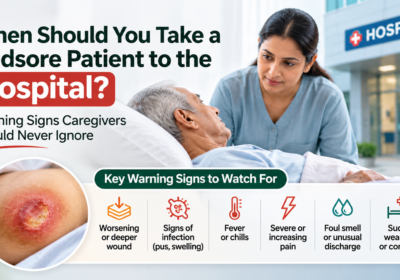
Seek prompt medical attention if the wound becomes more painful, swollen or discoloured, develops pus or has increasing discharge. Fever, confusion or rapidly spreading redness require urgent medical care.
Can Heel Protectors or Dressings Prevent Bed Sores?
Heel protectors and preventive dressings can be useful parts of a pressure injury prevention plan, but they work differently.
Heel protectors and suspension devices help reduce direct pressure by supporting the lower leg and keeping the heel away from the bed surface.
Preventive dressings may provide an additional protective layer and help reduce friction and shear. A healthcare professional may recommend a suitable multilayer soft silicone foam dressing for patients at risk.
However, a dressing should not be used as a substitute for pressure relief. Heel elevation, repositioning, skin assessment and suitable support surfaces remain important.
The right approach depends on the patient’s individual risk and clinical condition.
Frequently Asked Questions
How do you prevent bed sores on heels in bedridden patients?
Keep the heels free from direct mattress pressure, use an appropriate heel suspension device or positioning support, follow an individualised repositioning plan and inspect the skin regularly. Good nutrition and suitable pressure-redistributing mattresses also support prevention.
Should you put a pillow under a bedridden patient’s heels?
A pillow may help elevate the heels when positioned correctly. The weight should be distributed along the calves, leaving the heels completely free from the mattress. Ask a healthcare professional to demonstrate the correct positioning technique.
How often should you check a bedridden patient’s heels?
Check the heels as part of the patient’s regular skin-care routine, generally at least daily, and more frequently when the patient is at high risk or has existing skin changes. Follow the monitoring schedule recommended by the healthcare team.
Can a bedsore develop on the heel even when the patient uses an air mattress?
Yes. A pressure-redistributing mattress can reduce pressure, but it does not guarantee that heel injuries will not develop. Additional heel offloading, repositioning and regular skin checks may still be necessary.
Are heel protectors better than ordinary pillows?
The most suitable option depends on the patient’s condition. Specialised heel suspension devices may provide more consistent positioning for some patients, while correctly positioned pillows may be suitable for others. A healthcare professional can help select the right option.
Can a heel bedsore heal on its own?
A pressure injury should not be ignored or left untreated. Healing depends on its severity, the patient’s health and whether pressure is effectively relieved. An open or worsening heel wound needs professional assessment and an appropriate wound-care plan.
Conclusion
Preventing bed sores on heels in bedridden patients requires consistent care and attention. Continuous pressure, limited mobility, reduced circulation and fragile skin can all increase the risk of heel pressure injuries.
The most important step is to keep the heels free from direct pressure. Combine appropriate heel support, regular repositioning, daily skin checks, good hygiene and suitable nutrition to reduce the risk of damage.
For patients who already have a heel wound, timely medical assessment and an individualised wound-care plan are essential.
DRJV Healing encourages patients and caregivers to take a proactive approach to bedsore care. Products such as Cura Decubitus Ointment may be considered for appropriate wound-care needs according to product directions and professional advice, but an ointment cannot prevent heel pressure injuries caused by continuous pressure. Proper heel offloading and medical guidance remain essential.
Related Articles