
What Foods Help Heal Bed Sores? A Nutrition Guide for Patients and Caregivers
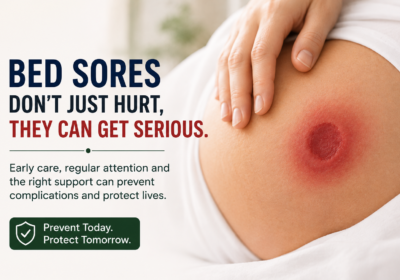
Bed sores, also known as pressure sores or pressure ulcers, can develop when prolonged pressure damages the skin and underlying tissues. They are common in people who spend long periods in bed or use a wheelchair.
Proper wound care is important, but nutrition also plays a role in the healing process. The body needs enough protein, calories, vitamins, minerals and fluids to repair damaged tissue and maintain healthy skin. A balanced diet can support recovery, especially when a person is not eating enough or has nutritional deficiencies.
So, what foods should patients eat when they have bed sores? Let’s look at the important nutrients, suitable food choices and practical dietary tips for patients and caregivers.
Why Is Nutrition Important for Bedsore Healing?
When a bedsore develops, the body starts repairing damaged tissue. This process requires energy and nutrients to support tissue growth, maintain skin health and help the wound recover.
If a patient does not eat enough, the body may struggle to meet these nutritional needs. Poor appetite, unintentional weight loss, dehydration and nutritional deficiencies can make wound care more challenging.
According to the National Institute for Health and Care Excellence (NICE), people with pressure ulcers should receive an appropriate nutritional assessment and advice on maintaining a balanced diet that meets their energy, protein and micronutrient needs.
However, food alone cannot heal every bedsore. Pressure relief, suitable wound care, skin protection and medical assessment remain essential.
1. Protein-Rich Foods to Support Tissue Repair
Protein is one of the most important nutrients for wound healing because the body uses it to build and repair tissues.
Patients with bed sores may need additional protein, depending on their nutritional status, medical condition and wound severity.
Good protein sources include:
- Eggs
- Milk, curd and paneer
- Dal, lentils and chickpeas
- Rajma and other beans
- Soybeans and tofu
- Fish and lean chicken, for non-vegetarians
- Nuts and seeds
For Indian patients, adding dal, curd, paneer, eggs or other suitable protein sources to regular meals can help improve protein intake.
For example, a patient might have dal with lunch, curd as a snack and paneer or eggs with another meal. The right amount depends on the person’s individual needs.
People with kidney disease or other conditions that affect protein requirements should consult a doctor or dietitian before making major dietary changes.
2. Fruits and Vegetables That Provide Vitamin C
Vitamin C supports collagen formation, which is important for the structure and repair of skin and other tissues.
A varied diet containing fruits and vegetables can help provide vitamin C and other essential nutrients.
Foods that provide vitamin C include:
- Guava
- Oranges and other citrus fruits
- Amla
- Papaya
- Strawberries
- Capsicum
- Tomatoes
- Broccoli
These foods can be included in daily meals according to the patient’s preferences and dietary needs.
For example, guava or papaya can be served as a snack, while tomatoes and capsicum can be included in cooked vegetables.
Eating vitamin C-rich foods supports overall nutrition, but no single fruit can guarantee faster bedsore healing.
3. Zinc-Rich Foods for Skin Health
Zinc is a mineral involved in tissue growth, cell function and wound repair. Getting enough zinc is important for maintaining normal body functions.
Suitable food sources include:
- Milk and dairy products
- Beans and lentils
- Nuts and seeds
- Whole grains
- Eggs
- Meat and seafood
Patients can obtain zinc through a varied, balanced diet.
However, taking extra zinc tablets without professional advice is not recommended. High doses may cause side effects and interfere with the absorption of other minerals. Supplements should be considered when a healthcare professional identifies a need.
4. Foods That Provide Enough Energy
The body needs calories to carry out its normal functions and repair damaged tissues. If a patient does not eat enough energy-rich food, the body may use stored energy and muscle tissue to meet its needs.
This can be a concern for older adults, bedridden patients and people with a poor appetite.
Suitable sources of energy include:
- Rice and chapati
- Oats and other cereals
- Potatoes and sweet potatoes
- Whole-grain bread
- Milk and yoghurt
- Nuts and nut butters, if safe to eat
Patients who struggle to finish large meals may benefit from smaller, more frequent meals and snacks.
The aim is to provide enough energy without following an unnecessarily restrictive diet. A doctor or dietitian can help determine the appropriate intake, especially for patients with diabetes or other medical conditions.
5. Drink Enough Fluids
Hydration is another important part of general wound care. The body needs adequate fluids for normal circulation, temperature regulation and other essential functions.
Patients who depend on caregivers may not always ask for water, particularly if they have limited mobility or communication difficulties.
Caregivers can help by offering fluids regularly throughout the day, where appropriate.
Suitable options may include:
- Water
- Milk
- Soups
- Other drinks that fit the patient’s dietary needs
The amount of fluid required varies from person to person. Patients with heart failure, kidney disease or a prescribed fluid restriction should follow their healthcare professional’s advice rather than increasing fluid intake independently.
6. Should Patients Take Vitamins or Nutritional Supplements?
Not every patient with a bedsore needs supplements.
If a person is eating a balanced diet and meeting their nutritional needs, additional supplements may not provide further benefit. However, a patient who is malnourished, losing weight or has a confirmed nutritional deficiency may need individualised support.
A doctor or registered dietitian can assess whether the patient needs changes to their meals, fortified foods, oral nutritional supplements or specific vitamins and minerals.
Avoid starting high-dose vitamin or mineral supplements without professional guidance. Supplements should address an identified need rather than replace a balanced diet.
7. What Should a Simple Daily Diet Look Like?
There is no single meal plan suitable for every patient. However, caregivers can use the following example to plan balanced meals, adjusting portions and food choices to individual needs.
Breakfast: Eggs or paneer, whole-grain bread or chapati, and milk if suitable.
Mid-morning snack: Guava, papaya or another fruit.
Lunch: Rice or chapati, dal or another protein source, cooked vegetables and curd.
Evening snack: Yoghurt, nuts, or another nourishing snack that is safe for the patient.
Dinner: Chapati or rice with dal, beans, paneer, fish or chicken, alongside vegetables.
Fluids: Offer water and other suitable drinks regularly throughout the day, following any medical fluid restrictions.
This is only a general example, not a prescribed diet. The patient’s appetite, swallowing ability, allergies, diabetes status, kidney function and other health conditions should be considered.
If the patient has difficulty swallowing, a healthcare professional should assess the safest food and drink textures.
8. What Foods Should Be Avoided During Bedsore Healing?
There is no universal list of foods that every patient with a bedsore must avoid.
Instead, the priority should be to provide enough energy, protein and essential nutrients while following any dietary restrictions related to the patient’s health.
Caregivers should avoid unnecessarily restrictive diets that reduce food intake. They should also seek advice if the patient regularly skips meals, has a poor appetite or is losing weight.
For patients with diabetes, managing blood glucose levels is important because poorly controlled diabetes can interfere with wound healing.
If a patient cannot meet their nutritional needs through regular meals, a doctor or dietitian can suggest suitable alternatives.
9. Can Good Nutrition Alone Heal Bed Sores?
No. Good nutrition supports the body’s repair process, but it does not remove the underlying cause of a pressure ulcer.
Bedsores develop when pressure and other factors damage the skin and underlying tissues. Effective care may involve:
- Relieving pressure on the affected area
- Repositioning the patient according to an appropriate care plan
- Using suitable pressure-redistributing mattresses or cushions
- Keeping the skin clean and managing excess moisture
- Following an appropriate wound-care plan
- Monitoring the wound for changes
A bedsore that becomes deeper, develops increasing redness or swelling, produces pus, smells unusual or is accompanied by fever needs prompt medical assessment.
Nutrition should be part of a broader care plan, not a substitute for professional wound treatment.
How Can DRJV Healing Experts Help With Bedsore Treatment and Guidance?
Managing a bedsore involves more than choosing the right food or applying an ointment. Patients and caregivers may need guidance on wound care, skin protection, pressure relief and when to seek medical attention.
DRJV Healing offers Cura Decubitus Ointment, a topical product intended for bedsore care, slow-healing wounds and non-healing external ulcers. It may be considered as part of a broader care routine, subject to appropriate professional guidance and the product’s directions.
The right approach depends on the wound’s condition, the patient’s overall health and any underlying medical problems. An ointment should not replace a medical assessment, pressure relief or other necessary treatment.
DRJV Healing can help patients and caregivers understand its product and its intended use. For individual treatment decisions, patients should consult a qualified healthcare professional who can assess the wound and advise on suitable care. A doctor or dietitian can also help determine whether nutritional changes or supplements are needed.
Conclusion
What foods help heal bed sores?
Protein-rich foods, fruits, vegetables, energy-providing foods and adequate fluids can help meet the body’s nutritional needs during recovery.
Eggs, dal, paneer, beans, milk, guava, citrus fruits and a balanced range of everyday foods can contribute to a suitable diet. However, the best dietary approach depends on the patient’s nutritional status and medical condition.
For better outcomes, combine appropriate nutrition with pressure relief, careful wound monitoring and professional guidance. With the right support, patients and caregivers can make more informed decisions about bedsore care and recovery.
Related Articles