Can poor nutrition delay bedsore healing?
Nutrition plays a critical role in how quickly and effectively bedsores heal. While proper wound cleaning and pressure relief are essential, poor nutrition can significantly delay recovery, even when external care is done correctly.
Understanding how diet affects healing helps caregivers take a more complete approach to bedsore management.
If you are new to the topic, start with:
What Are Bedsores? Causes, Stages, Symptoms & Prevention
How Nutrition Impacts Bedsore Healing
Wound healing is an energy-intensive process. The body needs adequate nutrients to:
- Repair damaged skin and tissue.
- Form new collagen.
- Fight infection.
- Maintain skin strength and elasticity.
When nutrition is poor, the healing process slows down, and bedsores may take longer to close or worsen over time.
1. Protein Deficiency Slows Tissue Repair
Why protein is essential:
Protein is the primary building block for skin, muscles, and connective tissue. Without enough protein, the body struggles to rebuild damaged areas.
Effects of low protein intake:
- Slow wound closure.
- Weak, fragile new skin.
- Increased risk of wound reopening.
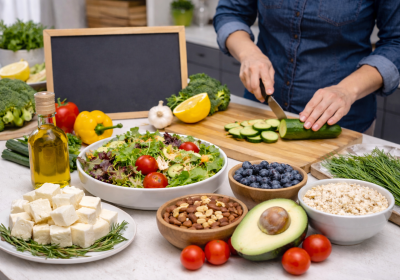
Protein-rich foods include:
- Eggs.
- Lentils and pulses.
- Paneer, curd, and yogurt.
- Milk.
- Nuts and seeds.
Related reading:
Best Diet for Faster Wound Healing and Bedsore Recovery
2. Vitamin Deficiencies Affect Collagen Formation
Why vitamins matter:
Vitamins—especially vitamin C—are crucial for collagen production. Collagen gives strength and structure to healing skin.
When vitamins are lacking:
- Collagen formation is reduced.
- Wounds remain weak and slow to heal.
- Skin becomes more prone to breakdown.
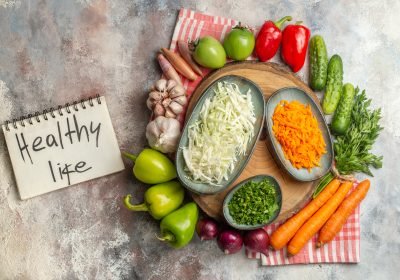
Vitamin-rich foods include:
- Oranges, sweet lime, and guava.
- Amla.
- Green leafy vegetables.
3. Weakened Immunity Increases Infection Risk
Poor nutrition weakens the immune system, making wounds more susceptible to infection. Infected bedsores heal much more slowly and may require medical intervention.
Maintaining a balanced diet supports immunity and helps the body protect healing tissue.
4. Dehydration Makes Skin Fragile
Why hydration is important:
Fluids help transport nutrients and oxygen to the wound site. Dehydrated skin becomes dry, fragile, and more likely to break.
Hydration tips:
- Encourage regular sips of water.
- Include soups, buttermilk, and coconut water.
- Monitor hydration in elderly patients.
Helpful guide:
Nutrition Tips for Elderly & Bedridden Patients
Nutrition Alone Is Not Enough: Combine With Proper Wound Care
While nutrition supports healing from within, external wound care is equally important to maintain a healthy healing environment.
For comprehensive care:
- Cura Decubitus™ Ultra supports wound bed preparation, tissue repair, and collagen formation in slow-healing or open bedsores
- Cura Decubitus™ Ointment provides surface protection, reduces friction and moisture, and supports skin comfort
This combined approach helps create conditions where healing can progress more effectively.
Related reading:
How Cura Decubitus Supports the Natural Wound Healing Process
How Often Should Bedsores Be Dressed and Treated?
Signs That Nutrition May Be Delaying Healing
Caregivers should watch for:
- Slow or stalled wound healing.
- Unintentional weight loss.
- Poor appetite.
- Fatigue or weakness.
Early nutritional support can prevent further complications.
Supporting Recovery Through a Holistic Approach
Best healing outcomes are seen when:
- Nutrition is balanced and adequate.
- Pressure is relieved regularly.
- Skin is protected from friction and moisture.
- Wound care is consistent.
Helpful reads:
Simple Prevention Tips to Reduce Bedsore Risk
Complete Daily Care Guide for Bedridden Patients
When to Seek Professional Advice
Consult a doctor or nutritionist if:
- Bedsores are not improving despite care.
- The patient has a poor appetite or dehydration.
- Multiple or recurrent wounds are present.
Early guidance can significantly improve recovery time.
Key Takeaway
Poor nutrition can significantly delay bedsore healing by weakening immunity and slowing collagen formation.
A balanced diet rich in protein, vitamins, minerals, and fluids—combined with supportive topical care using Cura Decubitus™ Ultra and Cura Decubitus™ Ointment—helps promote better healing outcomes and skin recovery.