
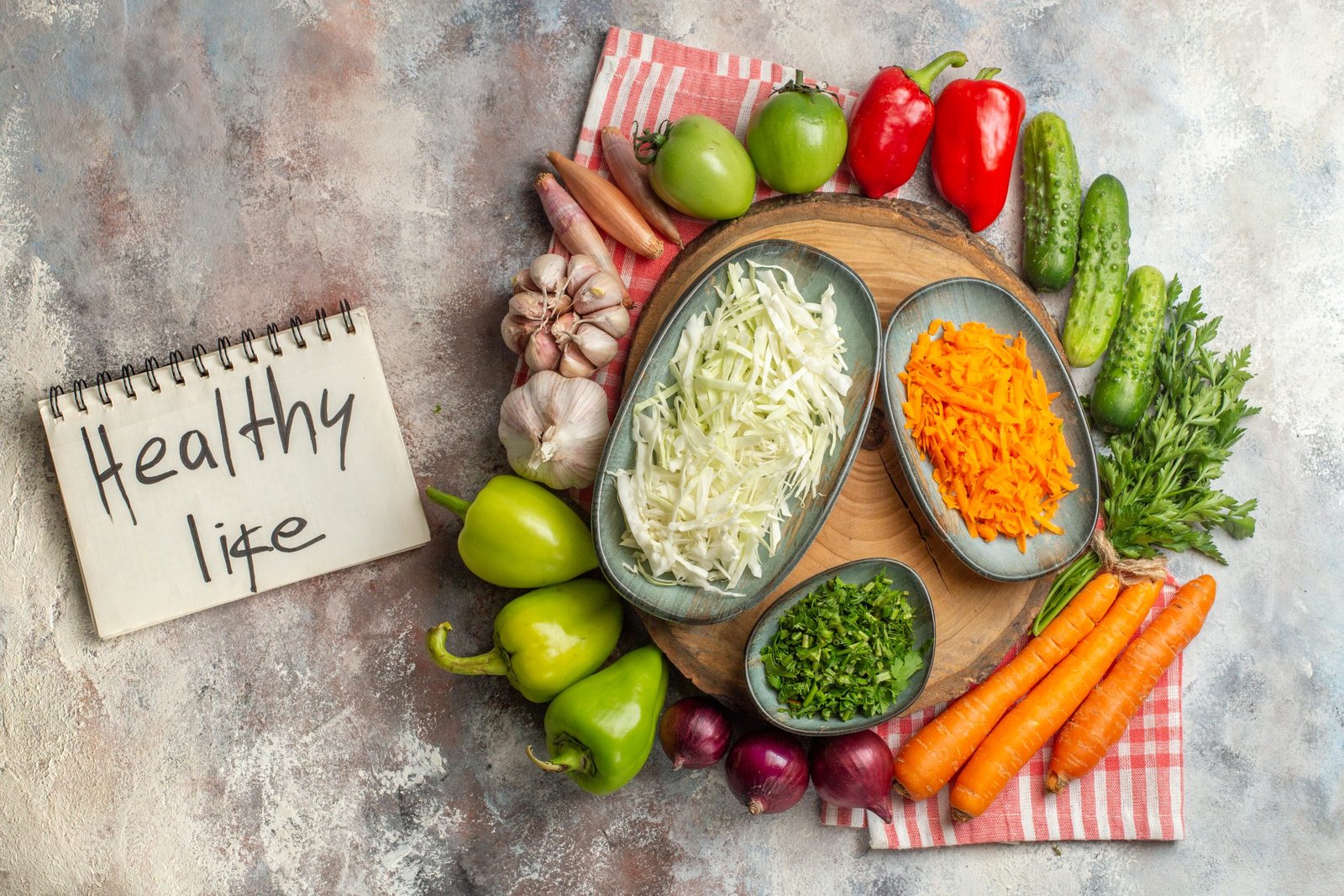
Best diet for faster wound healing and bedsore recovery
Wound healing is not just about external care. What the body receives through food and fluids plays a critical role in how fast and how well wounds heal. This is especially important for people recovering from bedsores, pressure ulcers, or slow-healing wounds.
A balanced diet provides the building blocks the body needs to repair tissue, fight infection, and restore skin strength.
If you’re new to bedsore care, start here:
What Are Bedsores? Causes, Stages, Symptoms & Prevention
Why Nutrition Matters in Wound Healing
When the body is healing a wound, it requires:
- Energy to fuel repair.
- Proteins to rebuild damaged tissue.
- Vitamins and minerals to support collagen formation.
- Fluids to maintain skin elasticity and circulation.
Poor nutrition can delay healing, increase infection risk, and weaken the skin barrier—especially in elderly or bedridden patients.
1. Protein: The Foundation of Tissue Repair
Why protein is important:
Protein is essential for rebuilding skin, muscle, and connective tissue. Without enough protein, wounds heal slowly and may reopen.
Good protein sources include:
- Eggs.
- Lentils and pulses.
- Paneer and curd.
- Milk and yogurt.
- Nuts and seeds.
For bedridden patients or those with poor appetites, frequent, protein-rich meals are often easier to manage.
Related reading:
Nutrition Tips for Elderly & Bedridden Patients
2. Vitamin C: Supports Collagen Formation
Why vitamin C matters:
Vitamin C is crucial for collagen synthesis, which gives new skin strength and structure.
Foods rich in vitamin C:
- Oranges and sweet lime.
- Guava.
- Amla.
- Berries.
- Capsicum.
Including vitamin C daily helps support healthy wound closure.
3. Zinc: Aids Wound Closure and Immunity
Why zinc is important:
Zinc supports immune function and helps wounds close properly.
Zinc-rich foods include:
- Whole grains.
- Nuts and seeds.
- Lentils.
- Dairy products.
Zinc deficiency can significantly delay bedsore healing.
4. Iron: Improves Oxygen Supply to Wounds
Why iron matters:
Iron helps red blood cells carry oxygen, which is essential for tissue repair.
Iron-rich foods include:
- Green leafy vegetables.
- Dates and raisins.
- Jaggery.
- Lentils.
Iron works best when combined with vitamin C-rich foods.
5. Fluids: Maintain Skin Elasticity and Circulation
Why hydration is essential:
Dehydrated skin is fragile and more prone to breakdown. Fluids help maintain circulation and support nutrient delivery to wounds.
Tips:
- Encourage regular sips of water.
- Include soups, buttermilk, and coconut water.
- Monitor fluid intake in elderly patients.
6. Foods to Limit During Wound Healing
Certain foods may slow recovery:
- Excess sugar.
- Highly processed or fried foods.
- Excess salt.
These can increase inflammation and interfere with healing.
Nutrition Alone Is Not Enough: Combine Internal & External Care
While nutrition supports healing from within, proper wound care supports healing from the outside.
For comprehensive recovery:
- Cura Decubitus™ Ultra supports wound bed preparation and tissue repair in slow-healing or open wounds
- Cura Decubitus™ Ointment forms a protective barrier, reduces friction and moisture, and supports skin comfort
Using topical wound care alongside good nutrition helps maintain an optimal healing environment.
Nutrition Tips for Bedridden Patients
- Offer small, frequent meals.
- Focus on soft, nutrient-dense foods.
- Monitor weight and appetite.
- Encourage fluids throughout the day.
Good nutrition also supports bedsore prevention, not just healing.
Helpful guide:
Complete Daily Care Guide for Bedridden Patients
When to Seek Medical or Nutritional Advice
Consult a healthcare professional if:
- Wounds are not improving despite care.
- The patient has poor appetite or weight loss.
- There are multiple or recurring wounds.
Early intervention improves outcomes.
Key Takeaway
Healing happens faster when the body is well nourished and the wound is well protected.
A balanced diet rich in protein, vitamins, minerals, and fluids—combined with topical care using Cura Decubitus™ Ultra and Cura Decubitus™ Ointment—supports recovery both internally and externally.