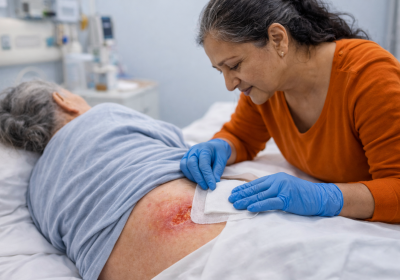

Complete daily care guide for Bedridden Patients
Skin hygiene, repositioning, moisture control, nutrition, and emotional support are essential. Preventive application of Cura Decubitus™ Ointment helps protect pressure areas.
Simple Prevention Tips to Reduce Bedsore Risk
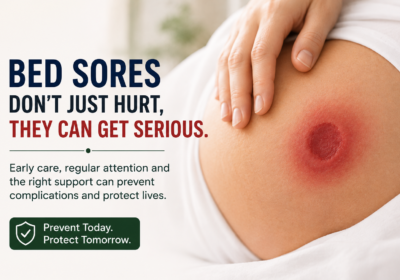
Bedsores, also known as pressure ulcers, can often be prevented with simple daily care. Early attention to pressure relief, skin inspection, and skin protection plays a vital role, especially for the elderly, bedridden, or patients with low mobility.
Why Bedsore Prevention is Important
When pressure is continuously applied to a specific area of the body, blood flow is reduced. Over time, this weakens the skin and underlying tissue, increasing the risk of bedsores. Preventive care helps maintain healthy circulation, protects the skin barrier, and reduces discomfort.
1. Reposition Regularly to Relieve Pressure
Why it matters:
Changing position allows blood flow to return to pressure-prone areas, keeping the skin healthy.
Best practices:
- Reposition every 2 hours for bedridden patients.
- Alternate between the back, the left side, and the right side.
- Use pillows to support proper alignment.
Tip:
Avoid dragging the skin during movement. Gentle lifting reduces friction and skin damage.
2. Perform Daily Skin Checks
Why it matters:
Early signs of bedsores often appear as redness or skin discoloration before wounds develop.
What to look for:
- Red or darkened skin that does not fade
- Warmth, swelling, or tenderness
- Dry, cracked, or fragile skin
Common high-risk areas:
- Heels
- Hips
- Lower back and buttocks
- Shoulders and elbows
- Back of the head
Early detection allows timely care and prevents worsening.
3. Keep Skin Clean, Dry, and Comfortable
Moisture from sweat, urine, or stool weakens the skin barrier and increases friction.
Good hygiene practices:
- Clean skin gently with mild cleansers.
- Pat dry; do not rub.
- Change wet clothing or diapers promptly.
Maintaining clean and dry skin is one of the most effective ways to prevent irritation and breakdown.
4. Use Protective Topical Care on Pressure-Prone Areas
Protective topical care supports the skin’s natural barrier and reduces friction during movement.
Applying a barrier ointment like Cura Decubitus™ Ointment on pressure-prone areas helps:
- Reduce friction and chafing.
- Protect skin from moisture exposure.
- Soothe redness and irritation.
- Support overall skin comfort.
Regular preventive application is especially helpful for bedridden patients and those using diapers.
5. Support Skin Health Through Nutrition and Hydration
Healthy skin heals and resists damage better when the body is well-nourished.
Key points:
- Ensure adequate protein intake.
- Encourage fluids to prevent dehydration.
- Include fruits and vegetables rich in vitamins.
Nutrition works from within, while skin protection works from outside—both are important for prevention.
6. Encourage Gentle Movement and Circulation
Even small movements improve blood flow and reduce pressure buildup.
Simple actions include:
- Assisted limb movements.
- Gentle stretching.
- Breathing exercises.
Movement complements repositioning and skin care.
7. Use Clean, Smooth Bedding
- Keep bedsheets wrinkle-free.
- Avoid crumbs or hard objects in bed.
- Use soft padding where needed.
Smooth surfaces reduce friction and pressure points.
When to Seek Medical Advice
If redness persists, skin breaks down, or discomfort increases despite preventive care, consult a healthcare professional promptly.
Consistent repositioning, regular skin checks, and protective topical care form the foundation of bedsore prevention.
Using supportive skin care such as Cura Decubitus™ Ointment as part of daily preventive routines helps protect vulnerable skin and maintain comfort.
Related Articles