Can Bed Sores Heal Without Surgery? DRJV Healing Explains Treatment Options
Bed sores can be frightening for patients and caregivers, particularly when a small area of skin damage gradually becomes an open wound. One of the first questions people often ask after discovering a bedsore is: Can bed sores heal without surgery?
In many cases, early and less severe pressure ulcers can be managed without surgery when they receive appropriate care. However, the treatment approach depends on the stage of the bedsore, its depth, the patient’s overall health, and whether complications such as infection or tissue damage are present.
This is why bedsore treatment should never be viewed as simply applying an ointment to a wound. Effective care involves reducing pressure, protecting the surrounding skin, maintaining hygiene, supporting nutrition, managing moisture, and monitoring the wound regularly.
At DRJV Healing, the focus is on supporting a comprehensive approach to wound and skin care. This article explains when non-surgical treatment may be appropriate, what it involves, and when professional medical attention becomes necessary.
What Are Bed Sores?
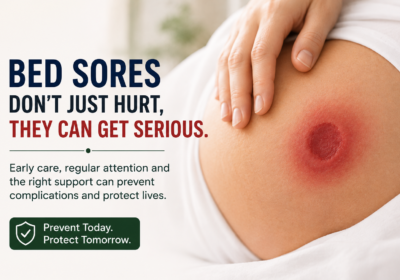
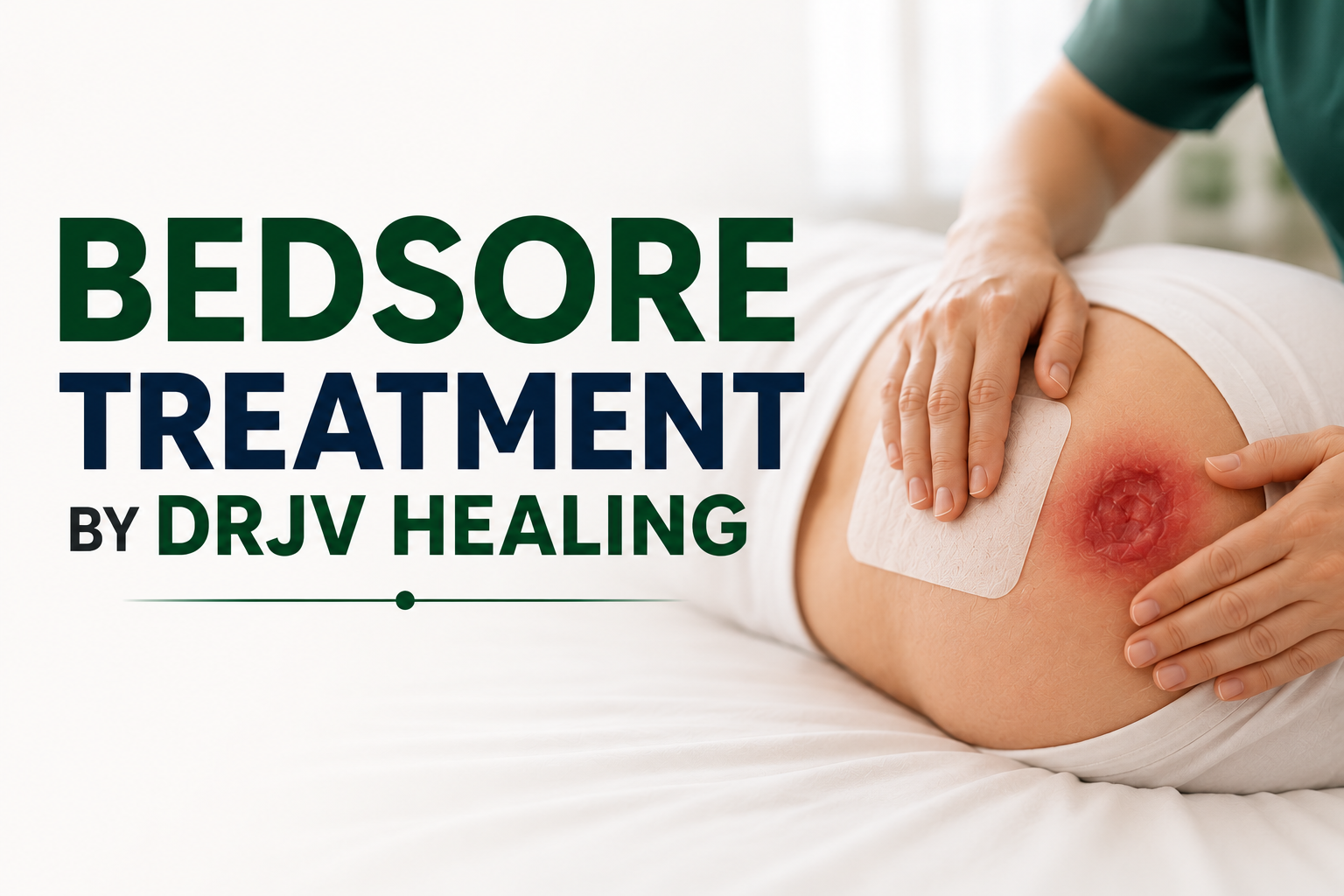
Bed sores, also called pressure ulcers or pressure sores, are injuries that develop when prolonged pressure affects the skin and underlying tissue.
They are particularly common in people who:
- Stay in bed for long periods
- Have limited mobility
- Use a wheelchair
- Are elderly
- Have reduced sensation
- Have poor circulation
- Require assistance with repositioning
Common areas include the tailbone, hips, heels, ankles, elbows, shoulders, and other parts of the body where bones are close to the skin.
When pressure remains on one area for too long, blood circulation can decrease. The tissue receives less oxygen and fewer nutrients, making it increasingly vulnerable to damage.
Can Bed Sores Heal Without Surgery?
Yes, some bed sores can heal without surgery, particularly when they are identified early and managed appropriately.
Early-stage pressure ulcers may respond to measures such as:
- Removing or reducing pressure
- Regular repositioning
- Appropriate wound care
- Protecting the skin
- Managing moisture
- Maintaining nutrition and hydration
- Monitoring for infection
However, not every bedsore can or should be managed at home without medical supervision.
Deep or complicated wounds may require advanced medical treatment, wound debridement, specialized dressings, or other interventions. The appropriate treatment should be determined according to the wound’s severity and the patient’s medical condition.
The important point is that surgery is not automatically required simply because a bedsore exists. Early recognition and appropriate treatment can be extremely important in preventing progression.
Understanding the Stages of Bed Sores
Knowing the stage of a pressure ulcer helps determine the level of care required.
Stage 1: Intact Skin With Persistent Discoloration
At Stage 1, the skin has not opened, but there may be persistent redness or discoloration.
The area may also feel:
- Warmer or cooler than surrounding skin
- Tender
- Firm or unusually soft
This is the stage where early intervention can be particularly valuable.
Removing pressure and closely monitoring the area may help prevent further damage.
Stage 2: Partial Skin Loss
At this stage, the skin has started to break down.
The wound may appear as:
- A shallow open area
- A blister
- A red or pink wound bed
Care becomes more important because the skin barrier has been compromised.
Stage 3: Deeper Tissue Damage
Stage 3 pressure ulcers extend deeper into the tissue.
Fat may be visible, and the wound may have a deeper appearance.
These wounds generally require professional wound assessment and a structured treatment plan.
Stage 4: Severe Tissue Damage
Stage 4 is the most serious category.
The wound may extend to deeper structures such as muscles, tendons, or bone.
These wounds require medical management and should not be treated solely with home remedies or over-the-counter products.
What Does Non-Surgical Bedsore Treatment Involve?
When surgery is not required, treatment usually focuses on creating the right conditions for the body to repair damaged tissue.
1. Relieve Pressure
Pressure relief is one of the most important parts of bedsore treatment.
If the same pressure continues, the wound may not heal properly regardless of which topical product is used.
Caregivers may need to:
- Reposition the patient regularly
- Use pillows to relieve pressure
- Consider pressure-relieving mattresses
- Use appropriate cushions for wheelchair users
The exact repositioning schedule should be individualized based on the patient’s condition and medical advice.
2. Keep the Wound Clean
Proper wound hygiene helps reduce contamination and supports a healthier healing environment.
Cleaning should be gentle. Aggressive scrubbing can damage fragile tissue and increase discomfort.
The surrounding skin should also be kept clean and appropriately dry.
3. Manage Moisture
Moisture can significantly contribute to skin breakdown.
Patients who use diapers or experience urinary or bowel incontinence may be particularly vulnerable.
Caregivers should:
- Change soiled materials promptly
- Clean the surrounding skin gently
- Dry the area carefully
- Use appropriate protective skin care when recommended
The goal is to prevent prolonged exposure to moisture while maintaining a skin environment that supports recovery.
4. Protect the Surrounding Skin
Bedsore treatment is not limited to the wound itself.
The surrounding skin can also be fragile and vulnerable to further breakdown.
Protective skin care may help reduce exposure to:
- Friction
- Moisture
- Irritation
- Repeated rubbing
This is particularly important for patients who remain bedridden for extended periods.
5. Support Nutrition and Hydration
Wound healing requires energy and nutrients.
Patients with pressure ulcers may need adequate:
- Protein
- Calories
- Fluids
- Vitamins
- Minerals
Poor nutrition can interfere with tissue repair and make recovery more difficult.
A doctor or qualified dietitian can provide individualized nutritional advice, particularly when the patient has other medical conditions.
Can Ointments Help With Bedsore Treatment?
Ointments can be a useful part of a broader wound care routine, depending on the condition of the skin and wound.
A supportive ointment may help:
- Protect vulnerable skin
- Reduce friction
- Manage moisture-related irritation
- Support skin recovery
- Maintain a protective barrier
However, an ointment should not be considered a replacement for pressure relief, wound assessment, proper hygiene, or medical treatment when required.
The right product also depends on whether the skin is intact, irritated, or already damaged.
When Is Medical Treatment Necessary?
Not every bedsore can be safely managed without professional medical care.
A doctor or wound care professional should assess the patient if:
- The wound is deep
- The wound continues getting larger
- There is significant discharge
- The area develops increasing redness or swelling
- There is a foul odor
- Pain becomes worse
- The patient develops fever
- The wound shows signs of infection
- The tissue becomes dark or black
People with diabetes, poor circulation, reduced immunity, or other chronic conditions may require particularly careful monitoring.
Can Bed Sores Be Treated at Home?
Some early-stage pressure-related skin problems can be supported through appropriate home care, but this does not mean every bedsore should be self-treated.
Home care may include:
- Regular repositioning
- Daily skin inspection
- Gentle cleansing
- Moisture management
- Pressure-relieving surfaces
- Proper nutrition
- Appropriate wound care products
However, caregivers should seek professional advice when the condition is unclear or appears to be progressing.
A useful rule is simple: if the wound is getting worse instead of better, it should be professionally assessed.
Common Mistakes That Can Delay Recovery
Continuing to Apply Pressure
A wound cannot recover properly if the underlying pressure continues.
Using Random Home Remedies
Not every household remedy is suitable for damaged skin. Some substances may irritate the wound or interfere with appropriate wound care.
Ignoring Moisture
Leaving skin exposed to urine, sweat, or wound drainage for extended periods can worsen breakdown.
Treating Only the Visible Wound
The surrounding skin and the factors causing the wound also need attention.
Waiting Too Long for Medical Advice
If a wound is deepening, infected, or failing to improve, delaying professional assessment can make treatment more complicated.
How DRJV Healing Approaches Bedsore Care
At DRJV Healing, bedsore care is approached as a combination of skin protection, wound care, and prevention rather than relying on a single treatment.
The objective is to support patients and caregivers in managing the factors that contribute to pressure-related skin damage.
This includes understanding the importance of:
- Pressure relief
- Skin protection
- Moisture management
- Hygiene
- Early intervention
- Consistent wound care
This broader approach is particularly relevant for bedridden patients who may remain at risk even after an existing wound begins to improve.
Where Cura Decubitus™ Ointment Fits In
DRJV Healing’s Cura Decubitus™ Ointment is positioned as a supportive wound care solution for pressure-related skin concerns.
It can be considered as part of a broader care routine focused on protecting vulnerable skin and managing factors such as friction and moisture exposure.
However, the product should not be viewed as a standalone replacement for medical assessment, pressure relief, or professional treatment when a wound is severe or infected.
For caregivers, this distinction is important: a supportive topical product works best when combined with the fundamentals of pressure ulcer management.
Conclusion
So, can bed sores heal without surgery?
Some can, particularly when they are identified early and managed appropriately. The possibility of non-surgical healing depends on the stage and severity of the wound, the patient’s overall health, and whether complications are present.
Early pressure relief, proper hygiene, moisture management, nutrition, skin protection, and regular monitoring all play important roles in recovery.
The most important thing is not to wait for a small skin problem to become a deep wound. Early attention can make bedsore management considerably easier.
DRJV Healing focuses on this broader approach to wound care by combining preventive skin protection with supportive wound care solutions. Its Cura Decubitus™ Ointment is designed to support vulnerable skin affected by pressure, friction, and moisture-related stress.
Ultimately, effective bedsore management is not about finding one product that solves everything. It is about identifying the problem early, addressing its underlying causes, protecting the skin consistently, and seeking professional medical care whenever the wound requires it.
Related Articles