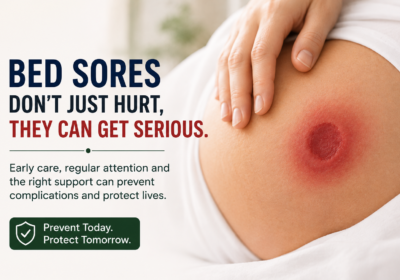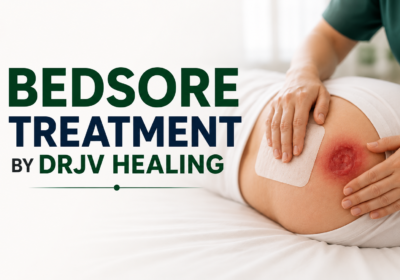

JV Healing Explains: What Are Bed Sores and Why Do They Develop?
When caring for a bedridden patient, elderly family member, or someone recovering from surgery, most caregivers focus on medications, nutrition, and regular medical check-ups. While these aspects are undoubtedly important, there is another health concern that often develops silently and can quickly become a serious challenge if ignored—bed sores.
Bed sores are among the most common complications faced by people with limited mobility. What begins as a small area of redness on the skin can gradually progress into a painful wound that affects comfort, mobility, and overall health. In severe cases, untreated bed sores can lead to infections, delayed recovery, and prolonged medical care.
The good news is that bed sores are often preventable. Understanding why they develop and recognizing their early warning signs can help patients and caregivers take timely action before the condition becomes severe.
At JV Healing, we believe that awareness is the first step toward prevention. Proper skin care, early intervention, and consistent caregiving play a vital role in protecting vulnerable skin and reducing the risk of pressure ulcers.
In this guide, we’ll explain what bed sores are, why they develop, who is most at risk, and what can be done to prevent them.
What Are Bed Sores?
Bed sores, medically known as pressure ulcers or pressure sores, are injuries to the skin and the tissues beneath it that occur due to prolonged pressure on specific parts of the body.
Healthy skin requires a continuous supply of oxygen and nutrients through blood circulation. When pressure is applied to one area for an extended period, blood vessels become compressed, reducing blood flow to the skin. Without adequate circulation, the affected tissue begins to weaken and eventually break down.
This damage doesn’t always happen on the surface first. In many cases, the underlying tissue starts deteriorating before visible wounds appear.
Bed sores commonly develop over bony areas of the body, including:
- Lower back (tailbone)
- Hips
- Heels
- Ankles
- Elbows
- Shoulders
- Back of the head
These areas experience the greatest pressure when a person remains in one position for long periods.
Why Do Bed Sores Develop?
Although prolonged pressure is the primary cause, several factors contribute to the development of bed sores.
Continuous Pressure
The most common reason is prolonged pressure on the skin.
When a patient lies or sits in the same position for several hours, the body’s weight compresses blood vessels between the bone and the support surface.
Reduced blood flow means:
- Less oxygen reaches the tissues.
- Nutrient supply decreases.
- Waste products accumulate.
- Skin cells begin to die.
Over time, this leads to tissue damage and wound formation.
Friction
Friction occurs when the skin repeatedly rubs against bedsheets, clothing, wheelchairs, or other surfaces.
Even mild rubbing can gradually weaken fragile skin, making it easier for pressure ulcers to develop.
Older adults are especially vulnerable because aging skin is thinner and less elastic.
Shear
Shear is often overlooked but is equally damaging.
It occurs when the skin remains stationary while deeper tissues move.
For example, if a patient slides down slightly in bed, the skin may stay in place while the muscles and tissues underneath stretch.
This internal damage may occur before any visible wound appears.
Excess Moisture
Moisture weakens the skin’s natural protective barrier.
Common sources include:
- Sweat
- Urine
- Wound drainage
- Prolonged diaper use
Moist skin becomes softer and more susceptible to friction, irritation, and breakdown.
At JV Healing, moisture management is considered an important part of pressure ulcer prevention because healthy skin is far more resistant to damage than constantly damp skin.
Poor Blood Circulation
Conditions such as diabetes, vascular disease, and aging reduce circulation.
Since blood carries oxygen and nutrients needed for tissue repair, poor circulation slows both prevention and healing.
Poor Nutrition
Healthy skin depends on proper nutrition.
Patients who do not receive enough:
- Protein
- Vitamins
- Minerals
- Fluids
often experience slower tissue repair and increased vulnerability to pressure injuries.
Who Is Most at Risk?
While anyone can develop bed sores under prolonged pressure, some people face a much higher risk.
Bedridden Patients
Patients recovering from surgery, illness, paralysis, or injury often spend long periods lying in bed.
Without regular repositioning, pressure builds quickly.
Elderly Individuals
As skin ages, it naturally becomes thinner, drier, and less elastic.
This makes older adults more susceptible to pressure damage.
Wheelchair Users
Remaining seated for extended periods places continuous pressure on the hips and lower back.
Diabetic Patients
Diabetes affects circulation and nerve function, increasing both the risk of pressure ulcers and delayed healing.
Patients with Limited Sensation
Individuals with spinal cord injuries or neurological disorders may not feel discomfort that would normally encourage movement.
As a result, pressure remains unrelieved for longer periods.
What Are the Early Signs of Bed Sores?
Bed sores rarely appear suddenly.
The body usually provides warning signs before an open wound develops.
Look for:
- Persistent redness
- Purple or dark discoloration
- Swelling
- Warm or cool skin patches
- Tenderness
- Burning sensation
- Skin that appears shiny or unusually firm
These early symptoms indicate that the skin is under stress.
Taking action during this stage often prevents more serious tissue damage.
Understanding the Stages of Bed Sores
Stage 1
The skin remains intact but appears red or discolored.
There may be tenderness or warmth.
Early intervention during this stage offers the best opportunity for prevention.
Stage 2
The outer layer of skin begins to break.
Blisters or shallow open wounds may develop.
Pain and irritation usually increase.
Stage 3
The wound extends deeper into the skin and exposes fat tissue beneath.
Professional wound care becomes increasingly important.
Stage 4
The deepest stage involves extensive tissue damage.
Muscles, tendons, or bone may become exposed.
Immediate medical treatment is necessary.
How Can Bed Sores Be Prevented?
Although bed sores are common, many cases can be prevented through consistent daily care.
Reposition Patients Frequently
Changing position helps restore blood circulation and reduces pressure on vulnerable areas.
Even small adjustments throughout the day make a meaningful difference.
Keep Skin Clean and Dry
Good hygiene supports healthy skin.
Caregivers should clean the skin gently and ensure moisture does not remain trapped for long periods.
Use Pressure-Relieving Support
Supportive mattresses, cushions, and pillows help distribute body weight more evenly and reduce pressure points.
Encourage Healthy Nutrition
Protein-rich foods, adequate hydration, vitamins, and minerals all contribute to healthier skin and improved tissue repair.
Inspect the Skin Daily
Regular skin checks allow caregivers to identify redness or irritation before wounds develop.
Early action is always more effective than delayed treatment.
Common Myths About Bed Sores
Myth 1: Bed sores only affect elderly people.
Fact: Anyone who remains in one position for prolonged periods can develop pressure ulcers.
Myth 2: Bed sores happen overnight.
Fact: Most bed sores develop gradually over several hours or days.
Myth 3: Once redness appears, nothing can be done.
Fact: Stage 1 pressure damage is often reversible when pressure is relieved promptly.
Myth 4: Creams alone can prevent bed sores.
Fact: Skin care products support prevention, but repositioning, hygiene, nutrition, and pressure management remain essential.
Why Prevention Is Better Than Treatment
Treating advanced bed sores can take weeks or months.
Patients may require:
- Frequent dressing changes
- Infection management
- Pain control
- Medical supervision
- Specialized wound care
Preventing pressure ulcers is often simpler, more comfortable, and less stressful than managing advanced wounds.
That is why caregivers should focus on protecting vulnerable skin before visible damage occurs.
Conclusion
Bed sores develop when prolonged pressure, friction, moisture, and poor circulation work together to damage the skin and underlying tissues. While they can become serious if ignored, they are often preventable through early awareness, consistent caregiving, and proper skin protection.
Recognizing early warning signs, repositioning patients regularly, maintaining hygiene, supporting nutrition, and managing moisture all contribute to healthier skin and reduced pressure ulcer risk.
At JV Healing, we believe that effective wound care begins with prevention rather than waiting for wounds to develop. Supporting caregivers with education and reliable wound care solutions is an important part of our commitment to improving patient care.
Products such as Cura Decubitus™ Ointment are developed to support vulnerable skin by helping reduce friction, moisture-related irritation, and repeated skin stress commonly associated with bed sores and pressure ulcers. When combined with proper caregiving practices and regular skin monitoring, supportive skin protection can become an important part of a comprehensive bedsore prevention strategy.
Because the best way to treat a bed sore is often to prevent it from developing in the first place.
Related Articles