JV Healing’s Best Practices for Managing Slow Healing Wounds
A wound is expected to heal with time. A cut, scrape, surgical wound, or pressure-related skin injury usually starts improving gradually when the body gets proper care and support. But sometimes, healing slows down. Days turn into weeks, redness continues, the skin remains damaged, and discomfort becomes a part of daily life.
For many patients and caregivers, slow healing wounds are not just a medical issue — they become physically exhausting and emotionally stressful.
This is especially common among:
- bedridden patients,
- elderly individuals,
- diabetic patients,
- post-surgical recovery cases,
- and people with limited movement.
At JV Healing, wound care is understood as more than simply applying a product over damaged skin. Proper healing depends on understanding the root cause, maintaining hygiene, reducing pressure and friction, protecting the skin barrier, and supporting recovery consistently over time.
This guide explains the best practices for managing slow healing wounds at home, the mistakes that often delay healing, and how proper wound care can make long-term recovery smoother and safer.
What Are Slow Healing Wounds?
A slow healing wound is a wound that does not heal within the expected period of time. Instead of gradually closing and improving, the wound remains inflamed, sensitive, moist, or partially open for an extended duration.
Normally, the body follows a natural healing process:
- controlling inflammation,
- repairing damaged tissue,
- forming new skin,
- and restoring the protective skin barrier.
But when this cycle gets interrupted repeatedly, healing slows down significantly.
In many cases, slow healing wounds can eventually develop into:
- pressure ulcers,
- chronic skin breakdown,
- diabetic wounds,
- or infected wounds.
For caregivers, one of the most frustrating parts is that the wound may initially appear small or harmless. A slight redness or irritation may not seem serious in the beginning, but without proper attention, it can gradually become deeper, painful, and difficult to manage.
Why Some Wounds Heal Slowly
Slow healing wounds rarely happen because of one single reason. Usually, multiple factors combine together and affect the body’s ability to recover.
One of the biggest causes is prolonged pressure.
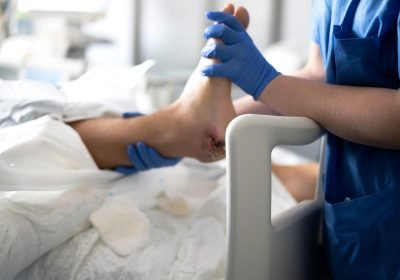
When a patient stays in the same position for hours, blood flow to certain areas becomes restricted. Without proper oxygen and nutrients, skin and tissue begin weakening slowly. This is why wounds commonly appear around the hips, lower back, heels, shoulders, and elbows in bedridden patients.
Poor circulation also plays a major role.
Patients with diabetes, aging-related circulation problems, or limited mobility often experience slower tissue repair because blood is not reaching the affected area efficiently. Since blood carries oxygen and healing nutrients, reduced circulation naturally delays recovery.
Moisture is another silent factor that many people underestimate.
Skin exposed to sweat, urine, wound discharge, or prolonged diaper use becomes softer and weaker. Over time, this weakens the protective skin barrier and increases the risk of irritation, friction damage, and infection.
Friction itself is equally harmful.
Even repeated rubbing against bedsheets, rough clothing, or support surfaces can damage fragile skin. In elderly patients especially, the skin becomes thinner and more delicate, making friction-related injuries more common.
Nutrition also affects wound healing more than most people realize.
The body needs:
- protein,
- hydration,
- vitamins,
- and minerals
to rebuild damaged tissue. Without proper nutrition, healing slows down and the skin becomes more vulnerable to further breakdown.
Early Signs That Should Never Be Ignored
Slow healing wounds usually begin with small warning signs. Identifying these early can prevent more serious complications later.
Some common early signs include:
- redness that does not fade,
- darkened skin patches,
- mild swelling,
- tenderness,
- burning sensation,
- or skin becoming thin and shiny.
Many caregivers wait until the wound becomes open before taking action. Unfortunately, by that stage, internal tissue damage may already be progressing underneath the skin.
Early attention often makes the biggest difference.
Best Practices for Managing Slow Healing Wounds
Managing slow healing wounds properly requires consistency. There is rarely a single solution that fixes everything immediately. Instead, recovery improves when small but important care practices are followed daily.
Relieve Pressure Frequently
Pressure management is one of the most important parts of wound care.
Patients should be repositioned regularly to reduce continuous stress on vulnerable areas. Even small posture adjustments help improve blood circulation and reduce tissue damage.
Using supportive pillows, cushions, and pressure-relief mattresses can also reduce strain on sensitive skin areas.
For bedridden patients, remaining in one position for long durations is one of the fastest ways for wounds to worsen.
Keep the Skin Clean and Gentle
Clean skin creates a safer healing environment.
The wound and surrounding skin should be cleaned gently using mild solutions and soft materials. Harsh scrubbing or strong chemical products can damage already fragile tissue.
After cleaning, the skin should always be dried properly because prolonged moisture exposure weakens the skin barrier.
Good hygiene reduces:
- irritation,
- infection risk,
- odor,
- and additional skin damage.
Control Moisture Carefully
Moisture management is often overlooked in home wound care.
Excess moisture from sweat, urine, or wound discharge softens the skin and increases friction damage. On the other hand, overly dry skin may crack and become sensitive.
The goal is balanced skin protection.
Supportive wound care products that create a protective barrier while allowing the skin to recover naturally can help maintain healthier skin conditions during long-term care routines.
JV Healing’s Cura Decubitus™ Ointment is designed to support this protective process by helping reduce friction, moisture-related irritation, and skin breakdown associated with slow healing wounds and pressure ulcers.
Maintain Proper Dressing Care
A wound should never be left exposed unnecessarily.
Proper dressing helps:
- protect damaged tissue,
- reduce contamination,
- support moisture balance,
- and minimize friction.
Dressing changes should be done carefully and consistently using clean materials. Irregular dressing care often slows recovery and increases infection risk.
Focus on Nutrition and Hydration
Healing does not happen only on the surface of the skin. Recovery also depends heavily on what the body receives internally.
Patients recovering from chronic wounds should focus on:
- protein-rich foods,
- proper hydration,
- fruits and vegetables,
- and balanced nutrition.
Protein is especially important because tissue repair depends heavily on it.
Poor nutrition often leads to:
- weaker skin,
- delayed healing,
- fatigue,
- and higher infection risk.
Watch for Infection Signs
One of the biggest risks in slow healing wounds is infection.
Caregivers should monitor the wound regularly for:
- increased redness,
- swelling,
- foul odor,
- unusual discharge,
- warmth around the area,
- or worsening pain.
If these signs appear, medical attention becomes important immediately.
Mistakes That Often Delay Healing
Many wounds worsen because of small but repeated mistakes.
Ignoring early redness is one of the most common problems. Many people assume mild skin irritation will disappear on its own, but early-stage pressure damage can progress quickly.
Using random creams or harsh products without understanding the skin condition can also increase irritation instead of helping recovery.
Irregular repositioning is another major issue in bedridden patients. Even good wound care products cannot compensate for constant pressure if movement is neglected.
Poor moisture management also contributes heavily to skin breakdown. Wet skin becomes fragile and more vulnerable to friction injuries.
Inconsistent wound care routines are equally harmful. Healing improves when care becomes regular, gentle, and predictable.
Why Long-Term Skin Protection Matters
Patients dealing with slow healing wounds often experience repeated stress on the skin due to:
- pressure,
- friction,
- moisture,
- and reduced circulation.
This makes long-term skin protection extremely important.
Supportive wound care is not just about treating existing damage. It is also about reducing the chances of further breakdown and helping the skin remain protected during recovery.
According to information provided by JV Healing, Cura Decubitus™ Ointment is formulated to create a protective oil-based barrier that helps reduce moisture exposure, friction-related irritation, and skin stress associated with chronic wound conditions and pressure ulcers.
When Professional Medical Care Is Necessary
Home care can support early-stage wound recovery effectively, but some situations require medical supervision.
Professional medical attention becomes important if:
- the wound becomes deeper,
- infection signs increase,
- tissue darkens,
- fever develops,
- or healing stops completely.
Patients with diabetes, severe pressure ulcers, or circulation disorders should especially avoid delaying medical care.
Conclusion
Managing slow healing wounds is not about searching for one quick solution. Healing happens through consistent care, attention to detail, and protecting the skin from repeated damage over time.
Simple daily actions such as:
- repositioning regularly,
- maintaining hygiene,
- reducing pressure,
- managing moisture,
- supporting nutrition,
- and protecting vulnerable skin
can make a major difference in recovery.
For caregivers, the process can sometimes feel physically demanding and emotionally overwhelming. But early attention and proper wound care practices often prevent complications before they become severe.
At JV Healing, the focus is on supporting both recovery and long-term skin protection for patients dealing with pressure ulcers, bed sores, and slow healing wounds.
Products like Cura Decubitus™ Ointment are developed to support protective wound care by helping reduce friction, moisture-related irritation, and skin breakdown while supporting a healthier healing environment for damaged skin.
Because in wound care, recovery is rarely achieved through one major step. It happens through small, consistent efforts that protect the skin, support healing, and improve comfort over time.